
In the bustling, diverse community of Tampa Bay, Florida, homes and businesses face a common, unwelcome threat: sewage backup. This emergency situation not only disrupts daily life but also poses significant health risks, requiring swift, efficient cleanup and restoration.
The problem is multifaceted: from identifying the source of the backup to mitigating health hazards and repairing damaged structures. The solution lies in a well-coordinated response, utilizing the expertise of professionals who understand the intricacies of sewage cleanup. This article, guided by the insights of seasoned professionals, provides a comprehensive roadmap for efficient sewage backup cleanup and restoration in Tampa Bay. We'll explore everything from emergency response and legal considerations to prevention and community impact, ensuring you're prepared and informed.
- Assessing Damage: Tampa Bay Sewage Backup Cleanup
- Safety First: Protecting Yourself and Your Home
- Containment Strategies: Stopping Further Contamination
- Water Removal: Efficient Techniques for Tampa Bay
- Deodorization and Sanitation: Restoring Indoor Air Quality
- Structural Repairs: Bringing Homes Back to Life
- Preventive Measures: Future Protection Against Backup
Assessing Damage: Tampa Bay Sewage Backup Cleanup

Assessing the extent of damage from a sewage backup in Tampa Bay, FL, is a crucial first step in the cleanup and restoration process. This initial evaluation guides the overall strategy, ensuring a swift and effective response. When dealing with a sewage backup emergency in Tampa Bay, same-day emergency sewage cleanup services are often required. The goal is to not only stop the water source but also to mitigate potential health risks and prevent further damage to the property.
The assessment process involves several key components. First, a thorough inspection of the affected area is conducted to identify the source and extent of the backup. This includes checking for visible signs of water damage, mold growth, or odd smells. The next step is to assess the type and amount of sewage involved. Raw sewage can contain harmful pathogens and contaminants, so it's essential to determine if this is a non-potable water backup or a more severe issue. A local plumbing expert might use color-coding or specialized equipment to differentiate between different water sources.
Once the damage is assessed, a plan for cleanup and restoration can be formulated. This might include extracting standing water, disinfecting affected areas, and repairing any structural damage. In many cases, affordable emergency sewage cleanup in Tampa Bay can be arranged promptly, with services often available 24/7. The readiness of these emergency response teams is vital, as quick action can prevent the need for extensive repairs later. It's recommended to have the contact details of reputable, licensed professionals readily available for such emergencies, ensuring a swift and efficient sewage backup cleanup process.
Safety First: Protecting Yourself and Your Home
When facing a sewage backup in Tampa Bay, FL, safety should always be your top priority. Before you consider any cleanup or restoration efforts, it's crucial to understand the potential risks associated with sewage. Sewage contains a variety of harmful bacteria, viruses, and parasites that can cause severe health issues, including gastrointestinal infections, respiratory problems, and skin infections. In the Tampa Bay area, where the local health department closely monitors water quality and public health, it's essential to follow proper protocols to protect yourself and your family.
The first step in sewage backup cleanup is to ensure that you and your contractors are equipped with appropriate personal protective equipment (PPE). This includes waterproof boots, gloves, masks, and eye protection. It's also important to evacuate the area until professional help arrives, as the odor alone can be hazardous. Once the immediate danger has passed, you can begin to assess the damage and plan the restoration process.
Understanding the sewage cleanup process is key to making informed decisions. It involves several steps, including containment, removal of damaged materials, decontamination, and restoration. The cost-effective sewage cleanup solutions in Tampa Bay FL often depend on the extent of the damage. A local emergency cleanup team, such as 24/7 Emergency Cleanup, can provide detailed estimates and guidance tailored to your specific situation. Remember, the average home insurance policy covers sewage backup, but it's important to review your policy and understand the coverage limits. The Red Cross offers resources and support for homeowners affected by disasters, including sewage backups. By following these safety measures and working with reputable professionals, you can ensure an efficient and safe sewage backup cleanup process.
Containment Strategies: Stopping Further Contamination
In the event of a sewage backup, swift action is crucial to prevent extensive contamination. This is where expert containment strategies come into play, especially in a densely populated area like Tampa Bay, Florida. The first step is to locate and seal the source to stop any further discharge. Trained professionals will assess the situation, identifying the cause, whether it's a burst pipe, faulty plumbing, or a sewer line issue. A skilled contractor might use advanced cameras to inspect hard-to-reach areas, pinpointing the problem accurately. Once located, the affected area is secured to limit access and minimize the risk of contamination spreading.
Same-day sewage backup restoration is a priority in Tampa Bay, where swift action can make a significant difference. The containment process involves setting up barriers and decontaminating the affected zones to prevent health hazards. Professional teams employ specialized equipment to extract contaminated water and sanitize the area, ensuring it's safe for occupation. This immediate response is crucial, as the longer a sewage backup goes untreated, the greater the potential for damage and health risks.
Understanding the scope of the cleanup is essential for property owners. A thorough assessment will determine the extent of the damage, the level of contamination, and the necessary restoration steps. This process involves testing water samples, inspecting the property, and identifying any structural issues caused by the backup. A local emergency cleanup team might use advanced air quality sensors to gauge the level of contamination and guide their decontamination efforts. By following these containment strategies, professionals ensure that the cleanup process is efficient, safe, and in line with local health department guidelines, such as those from the Tampa Bay Emergency Services.
Water Removal: Efficient Techniques for Tampa Bay
In the event of a sewage backup in Tampa Bay, FL, efficient water removal is a critical step in the cleanup and restoration process. Homeowners and property managers should understand that timely action is essential to mitigate damage and prevent health hazards.
Professionals in Tampa Bay will assess the situation and employ a variety of techniques for water removal. For minor backups, a high-pressure jetter can be used to clear obstructions and restore flow. This method is non-invasive and efficient, ideal for quick response situations. In more severe cases, a full-scale extraction using industrial pumps and vacuums may be necessary. These powerful tools can remove significant amounts of standing water, minimizing damage to floors, walls, and personal belongings. A local emergency service like Tampa Bay Emergency Services may coordinate with the Red Cross for temporary shelter and support while the cleanup is underway.
Once the water is removed, the focus shifts to drying out the affected areas. Professional restoration teams understand the importance of thorough drying to prevent mold growth and further damage. They use advanced equipment like air movers and dehumidifiers to accelerate the drying process. Homeowners should be prepared for a significant restoration effort, with some projects taking up to 24-48 hours, depending on the extent of the backup. A key aspect of readiness for sewage backup emergencies in Tampa Bay is working with local professionals who can provide these services 24/7.
Lastly, homeowners in the Tampa Bay area should review their insurance policies regarding sewage backup coverage. According to the Florida Insurance Commission, average home insurance policies typically do not cover sewage backup damage unless a separate rider is purchased. Understanding this coverage and being proactive in prevention and cleanup through reliable sewage backup cleanup services can help Tampa Bay residents navigate these challenging situations with greater ease.
Deodorization and Sanitation: Restoring Indoor Air Quality
Deodorization and sanitation are critical components of efficient sewage backup cleanup in Tampa Bay, Florida. Following a sewage backup, the restoration of indoor air quality is essential to ensure the health and safety of residents.
The first step in deodorization and sanitation is removing the source of the odor. This often involves extensive cleaning and sanitizing of affected areas. Certified specialists use advanced equipment to eliminate not just the visible dirt but also the bacteria, viruses, and fungi that can cause lingering unpleasant smells. High-pressure water extraction and specialized disinfectants are employed to thoroughly clean walls, floors, and other surfaces. The Local Health Department recommends that all hard surfaces be scrubbed and rinsed to ensure that any pathogens are eradicated.
Once the physical cleaning is complete, the focus shifts to sanitization. This process involves the application of disinfectants to kill any remaining germs and prevent their growth. The specialists use environmentally friendly products that are safe for both people and pets. By following the guidelines set by the Red Cross and local health authorities, these professionals ensure that the property is not only clean but also safe for reoccupation.
Insurance claims for sewage backup in Tampa Bay can be complex, but having the right documentation is key. Homeowners with adequate home insurance policies may be covered for the cost of cleanup and restoration. It's advisable to consult with your insurance company and a certified sewage backup cleanup specialist to understand the process. Allstate Insurance offers coverage for backup of sewer or drain, but policies vary, so reviewing the specifics of your policy is essential. Certified specialists can assist in navigating insurance claims, ensuring that you receive the compensation you're entitled to for the full scope of the work performed.
Structural Repairs: Bringing Homes Back to Life
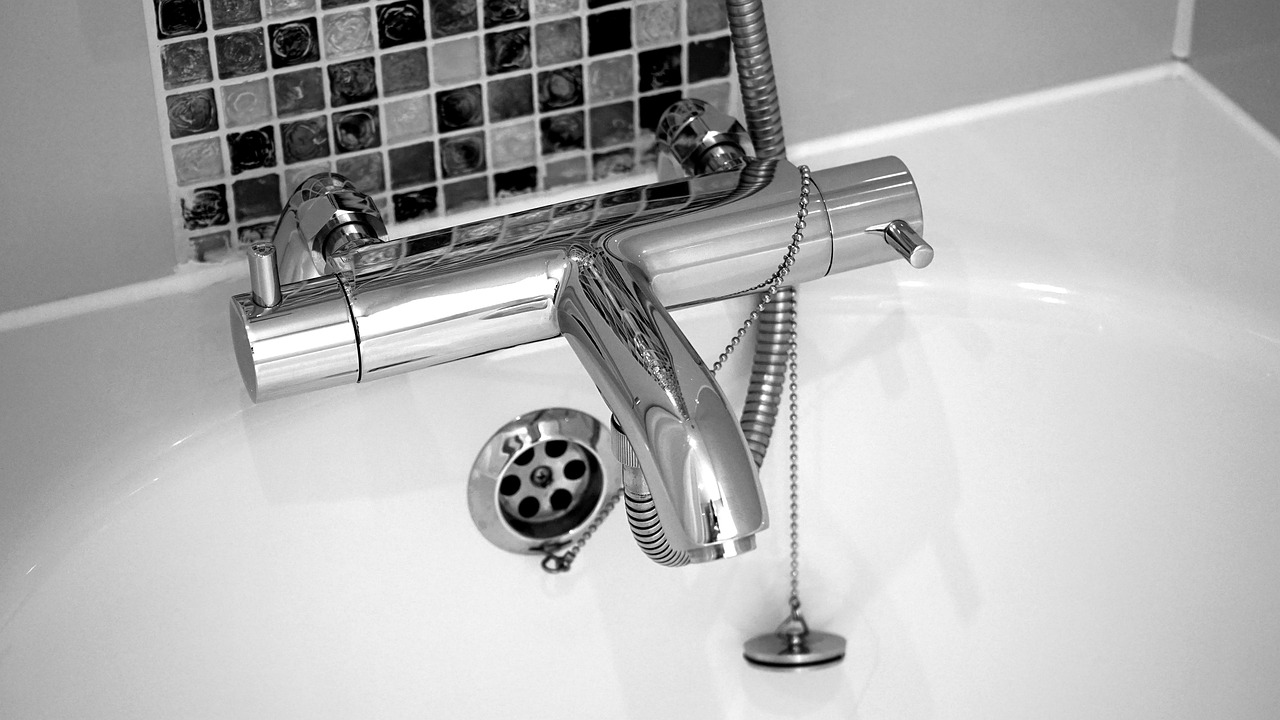
After a sewage backup, structural repairs are crucial to bring homes in Tampa Bay, FL back to their pre-loss condition. The first step is assessing the damage, which may include everything from water-soaked walls and floors to compromised electrical systems and plumbing.
Cost-effective sewage cleanup solutions in Tampa Bay involve a multi-step process. The team will remove standing water and dry out the affected areas using advanced equipment like air movers and dehumidifiers. Once drying is complete, they'll address any structural damage, such as repairing or replacing water-damaged drywall, insulation, and flooring. Homesafe Plumbing often partners with local contractors to offer complete restoration packages that cater to the specific needs of each property. It's important to work with a team that understands local building codes and can ensure the repairs meet or exceed industry standards.
Prevention is key for sewage backup. Regular inspections by local plumbers or home inspectors can identify potential issues before they become costly problems. Simple measures like installing backflow preventers and ensuring proper drainage can go a long way in safeguarding your home. Being proactive about maintaining your plumbing system, including regularly cleaning traps and checking for leaks, can help prevent future sewage backups. Homeowners with average home insurance policies in Tampa Bay should review their coverage, as many standard policies include protection for sewage backup-related damages, but the extent of coverage can vary.
When dealing with sewage backup cleanup in Tampa Bay, FL, it's essential to rely on experienced, certified teams. Organizations like Tampa Bay Emergency Services, the Local Health Department, and the Red Cross can provide guidance and support during the immediate response phase. Following the initial cleanup, working with a reputable service ensures the job is done right, minimizing the risk of further damage and ensuring a healthier living environment. Remember, the faster you address the issue, the less extensive and costly the repairs will be.
Preventive Measures: Future Protection Against Backup

To effectively prevent future sewage backups in Tampa Bay, FL, homeowners and property managers should consider a multi-layered approach. Regular maintenance and inspection are key. Checking for signs of leaks, corrosion, or tree roots intruding into sewer lines can help identify potential issues before they become major problems. Regular cleaning and clearing of drains and sewer lines by professional services can also prevent clogs and backups.
Homesafe Plumbing, for example, offers affordable sewage backup cleanup services in Tampa Bay, ensuring that your system is as efficient and reliable as possible. They recommend scheduling annual inspections to assess the condition of your pipes and identify any necessary repairs or replacements. This proactive measure can save you from costly emergency cleanup and restoration in the long run.
To regular maintenance, Tampa Bay Water and local home inspectors recommend implementing simple, cost-effective preventive measures. These include using drain covers to prevent hair, grease, and other debris from blocking pipes, and being mindful of what goes into the sewer system. Avoid flushing non-biodegradable items like wipes, diapers, or sanitary products, as these can lead to clogs and backups. By partnering with nearby sewage cleanup services like SewagePro, you can ensure quick and efficient response in case of a backup, minimizing damage and disruption.
Tampa Bay Emergency Services and the Local Health Department underscore the importance of knowing your insurance coverage. Most average home insurance policies do not cover sewage backup cleanup, so understanding your policy's limitations is crucial. Utilize the Sewage Cleanup Cost Calculator provided by Allstate Insurance or consult with a local insurance agent to plan accordingly.
Frequently Asked Questions About Expert-Led Tips for Efficient Sewage Backup Cleanup and Restoration
What is sewage backup, and how does it occur? Sewage backup happens when there's a sudden and significant increase in water in a plumbing system, often caused by clogs, pipe damage, or overflows from nearby sewer lines. It can lead to severe damage and health hazards due to the contaminated water.
When should I call a professional for sewage backup cleanup? As soon as you suspect a sewage backup, contact a licensed professional. They have the specialized equipment and knowledge to contain and clean the water quickly, minimizing damage and potential health risks.
What are the initial steps to take after a sewage backup? First, shut off the main water supply to prevent further water entry. Next, evacuate the area and avoid contact with the water. Document the damage for insurance purposes. Do not attempt to clean up the backup yourself; call experts immediately.
How do professionals assess and contain a sewage backup? Experts assess the situation by examining the source, extent of damage, and potential contamination. They use specialized equipment like pumps, vacuums, and moisture meters to contain the water. They also take samples for testing to ensure the area is safe.
What methods do professionals use to clean and disinfect the affected area? Professionals use advanced cleaning techniques, such as high-pressure washing and specialized cleaning agents, to remove contaminated water and debris. They then disinfect the area using powerful disinfectants to kill any pathogens or bacteria.
Can I dry out the area myself, or do I need a professional? While drying out the area is crucial, it's best left to professionals. They have access to powerful dehumidifiers and know how to properly ventilate the space to ensure the area is fully dried and safe for re-entry. DIY methods may not be as effective and could lead to further issues.
How long does the entire sewage backup cleanup process typically take? Most installations take one to two days, depending on the severity of the backup. The faster action is taken, the quicker the cleanup process will be. Professionals work efficiently to restore your property as soon as possible.
Efficient sewage backup cleanup in Tampa Bay, FL, requires a multi-step approach. From assessing damage and prioritizing safety to implementing containment strategies and advanced water removal techniques, each phase is crucial. Deodorization and sanitation ensure a safe living environment, while structural repairs restore homes to their pre-backup condition. Preventive measures, such as those offered by local plumbers and home inspectors, are key to future protection. By following these expert-led tips, residents can effectively manage sewage backup situations, minimizing disruption and ensuring a swift return to normalcy.
Sewage Backup Cleanup Tampa Bay FL: Practical guide
- Assess damage for type and extent of sewage backup, prioritizing safety.
- Use PPE and evacuate until professionals arrive to minimize health risks.
- Understand the process: containment, removal, decontamination, restoration.
- Document damage for insurance claims, working with local experts for coverage guidance.
- Deodorization and sanitation involve advanced cleaning and disinfecting.
- Structural repairs follow damage assessment, with cost-effective solutions.
- Prevention through regular inspections, maintenance, and drain cleaning.
- Partner with reputable services for quick response, expert guidance, and insurance support.