
In the bustling, often humid climate of Tampa Bay, FL, sudden sewage backups can turn a cozy home into a flooded mess in a matter of hours. These incidents, caused by clogged pipes, broken lines, or heavy rainfall, not only cause significant property damage but also pose health risks due to contaminated water. The expert-led tips for efficient sewage backup cleanup and restoration in Tampa Bay, FL, are designed to address these challenges head-on. By understanding the urgency, the right resources, and the latest techniques, homeowners and property managers can mitigate the impact, ensure a swift return to normalcy, and prevent future occurrences. This article examines actionable strategies to tackle these emergency situations effectively.
- Assessing Damage: Understanding Tampa Bay Sewage Backup Scenarios
- Safety First: Protecting Yourself and Your Property from Hazards
- Containment Strategies: Preventing Spread in Your Home and Neighborhood
- Specialized Tools: What You Need for Effective Sewage Cleanup
- Step-by-Step Restoration: Drying, Deodorizing, and Decontaminating
- Health Considerations: Mitigating Risks and Restoring Safe Living Spaces
- Insurance Claims: Navigating the Process for Tampa Bay Residents
- Preventive Measures: Future Protection Against Sewage Backups
Assessing Damage: Understanding Tampa Bay Sewage Backup Scenarios
Assessing the extent of a sewage backup in Tampa Bay, FL, is a critical first step in efficient cleanup and restoration. Each scenario presents unique challenges, from minor plumbing issues to catastrophic flooding. They employ experts who thoroughly inspect the affected area, identifying the source and extent of the backup.
A common scenario involves a burst pipe, leading to a gradual water intrusion. In such cases, the damage may be localized, requiring only specialized equipment to extract water and dry out the affected areas. On the other hand, severe weather events, like hurricanes or heavy rainfall, can cause widespread flooding, overwhelming home's drainage systems. These events necessitate a more comprehensive approach, involving 24/7 emergency services from Tampa Bay Emergency Services or the Local Red Cross, alongside professional cleanup and restoration.
Cost considerations also play a significant role in these assessments. Homeowners may have insurance coverage for such incidents through their Average Home Insurance Policies, but understanding the policy's terms and limitations is crucial. Accurate assessments help in calculating the cost of cleanup, which can range from a few hundred to several thousand dollars, depending on the severity. The Sewage Cleanup Cost Calculator, readily available from many local services, can provide a ballpark estimate. A smaller backup might cost $2,000 to $3,000, while a larger event could reach $10,000 or more. Engaging with professionals like the Local Emergency Cleanup Team ensures a thorough understanding of the process, from initial assessment to final restoration, minimizing stress and ensuring a swift return to normalcy.
Safety First: Protecting Yourself and Your Property from Hazards
When dealing with sewage backup, safety is paramount. In cleanup Tampa Bay, FL, residents often face not only the distress of a flooded home but also potential health risks from contaminated water. Before beginning any cleanup efforts, it's crucial to prioritize safety to protect both yourself and your property.
The first step is to ensure the area is thoroughly assessed for hazards. This includes identifying potential sources of contamination, such as raw sewage, which can contain harmful bacteria and viruses. It's essential to wear appropriate personal protective equipment (PPE), including gloves, boots, and masks, to minimize exposure to these pathogens. Reliable sewage backup cleanup services in Tampa Bay, FL, understand the importance of this protective gear and use it consistently during operations.
Another critical aspect of safety is understanding the scope of the damage. Floodwaters can carry debris and contaminants from various sources, including nearby bodies of water. Local health departments often provide guidelines for assessing water safety and determining the extent of cleanup required. The Tampa Bay Emergency Services may issue advisories based on water testing results, indicating whether it's safe to enter or clean up flooded areas.
Cost-effective sewage cleanup solutions in Tampa Bay, FL, can be found through reputable local companies. These professionals not only offer affordable services but also ensure the job is done safely and in accordance with local regulations. Engaging their expertise can help prevent further damage to your property and mitigate health risks associated with sewage backup cleanup.
Containment Strategies: Preventing Spread in Your Home and Neighborhood
Containing the Damage: Preventing Sewage Spread in Tampa Bay Homes and Beyond
In any sewage backup situation, the first step is to stop the flow and contain the damage. This is crucial not only to minimize health risks but also to prevent further contamination and costly repairs. Top-rated sewage backup cleanup professionals in Tampa Bay, FL know that containment strategies are the foundation of effective restoration. One of the most important actions is to quickly isolate the affected area. This may involve shutting off water supplies to prevent any further ingress of sewage and using physical barriers like plastic sheeting to contain the mess.
A trained professional will assess the extent of the damage and implement a tailored containment plan. They might use specialized equipment like negative air blowers to remove moisture and volatile organic compounds (VOCs) from the air, preventing the growth of mold and bacteria. It's crucial to remember that a DIY approach can be risky. Improper containment can lead to hidden mold growth and long-term health issues.
These experts have the knowledge and tools to properly contain the situation, ensuring a safer and more efficient cleanup process. Understanding the containment step is key. It sets the stage for the rest of the restoration process, from thorough cleaning to structural repairs. By working with top-rated professionals, homeowners can trust that their property is restored to its pre-loss condition, and they are protected from the hidden dangers that often follow sewage backups.
Specialized Tools: What You Need for Effective Sewage Cleanup
For effective sewage backup cleanup in Tampa Bay, FL, the right tools are essential. In situations where sewage has inundated your property, specialized equipment is crucial for a thorough and safe cleanup.
Understanding the process of sewage cleanup in Tampa is key. The initial step involves containing and mitigating the damage. This often includes setting up barriers to prevent further contamination and utilizing pumps to remove standing water. Once the immediate threat is under control, the real work begins. Specialized equipment like high-pressure pumps and vacuum trucks are employed to extract residual sewage from walls, floors, and affected structures. These machines are designed to handle high-viscosity liquids, a common characteristic of sewage, ensuring efficient removal. A local emergency service like Tampa Bay Emergency Services may employ vacuum trucks capable of sucking up contaminated materials while filtering out debris and hazardous waste.
After extraction, the next critical step is disinfection. The local health department recommends using powerful disinfectants to eliminate pathogens and bacteria that can cause illness. This process involves applying specialized chemicals and allowing them to sit for a prescribed period to ensure complete decontamination. For affordable emergency sewage cleanup in Tampa Bay, it's essential to engage professionals equipped with these materials and who follow recommended protocols. Homeowners should avoid using generic cleaning products, as they may not be effective against the hazardous bacteria present in sewage. By entrusting the work to a reputable company, residents can rest assured that their property is being restored to a safe, healthy condition.
Step-by-Step Restoration: Drying, Deodorizing, and Decontaminating
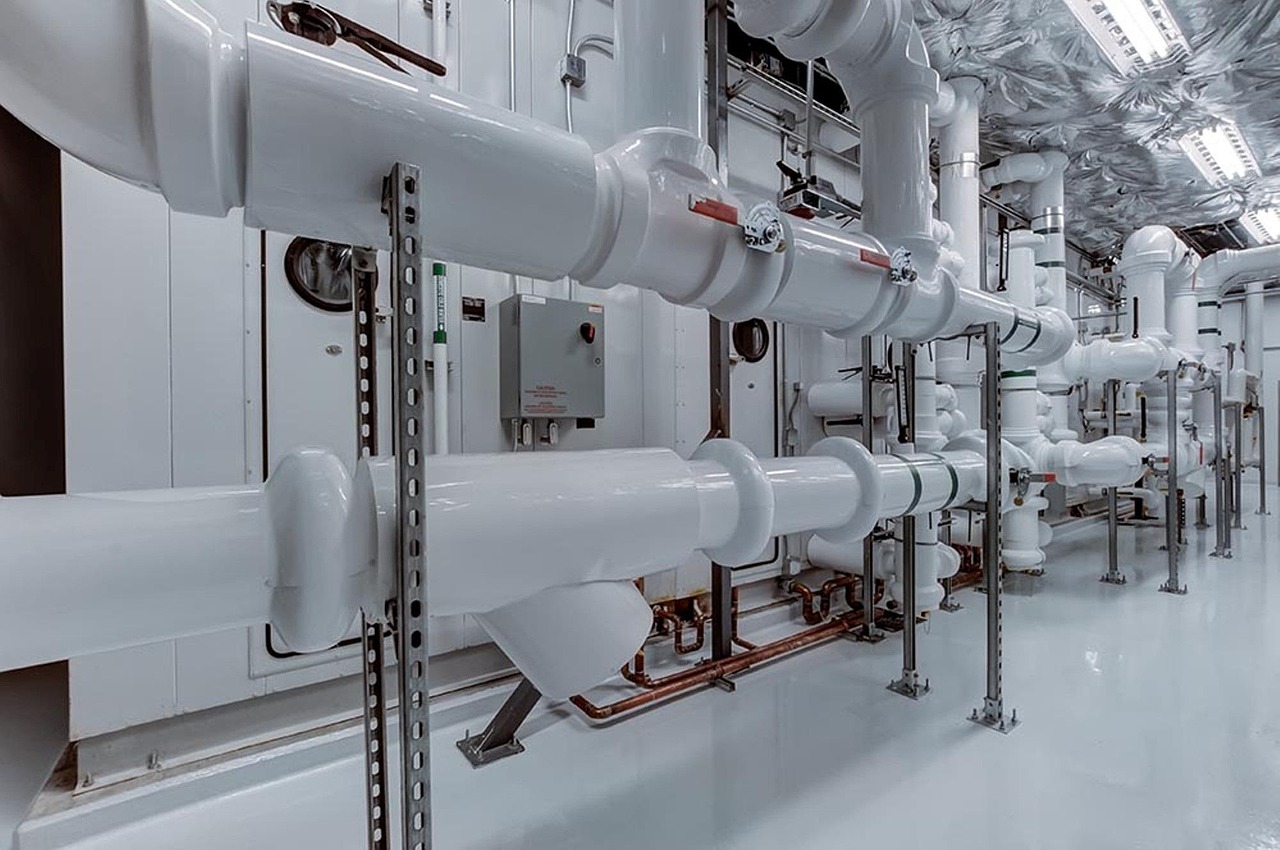
In the event of a sewage backup, efficient cleanup and restoration are crucial to minimize damage and prevent health hazards. This step-by-step guide provides expert insights tailored to the specific needs of sewage backup cleanup Tampa Bay, FL residents often face. The process begins with a thorough assessment, as each situation is unique. Once the extent of the damage is established, the restoration can commence, focusing on drying, deodorizing, and decontaminating the affected areas.
Drying the affected spaces is paramount to prevent mold growth and further damage. Licensed sewage cleanup Tampa Bay professionals employ advanced equipment like dehumidifiers and air movers to expedite the process. These tools can effectively dry out a 1,000-square-foot area within 24 to 48 hours. It's essential to allow ample ventilation during this phase to ensure the area is safe for occupation.
Deodorizing and decontaminating the space are crucial steps to eliminate unpleasant odors and any potential pathogens. Professional services use specialized products to neutralize odors and sanitize the area. This process often involves multiple applications and may take several days, depending on the severity of the backup. For home insurance for sewage backup Tampa Bay, policyholders should be aware that coverage varies; some policies include provisions for emergency services and cleanup, while others may require additional endorsements.
Throughout the restoration process, same-day emergency sewage cleanup Tampa services can provide immediate assistance, ensuring the safety and comfort of residents. They are equipped to handle any size backup, offering 24/7 support. Remember, timely action is critical. The longer the delay, the more extensive and costly the restoration process becomes. Always contact a licensed and reputable sewage cleanup service for expert assistance in these challenging situations.
Health Considerations: Mitigating Risks and Restoring Safe Living Spaces
When dealing with sewage backup in Tampa Bay, FL, health considerations are paramount. A trusted sewage cleanup service like SewagePro, a local leader in the industry, understands the urgency and risks associated with these emergencies. The first step in efficient cleanup and restoration is mitigating health risks to ensure the safety of residents and emergency responders.
Sewage backup can introduce a range of harmful pathogens and bacteria, posing significant health threats. In the aftermath of a sewage backup, it's crucial to remove contaminated materials and thoroughly disinfect the affected area. Professional services like 1-800-Sewage Pro follow strict protocols to address these issues. They use specialized equipment to extract standing water and remove debris, minimizing further contamination. These experts apply EPA-approved disinfectants to kill bacteria and viruses, creating a safer environment. The local health department recommends a solution of one gallon of bleach per 40 gallons of water for areas with visible sewage contamination.
Cost-effective sewage cleanup solutions in Tampa Bay are essential for property owners, as unexpected emergencies can lead to substantial financial burdens. Many homeowners' insurance policies cover sewage backup, but understanding the scope of coverage is crucial. The average home insurance policy typically includes coverage for sewage backup cleanup, but the limits and deductibles vary. A trusted sewage cleanup provider can assist in navigating these complexities, ensuring that clients are aware of their policy entitlements. The Florida Insurance Commission offers resources to help policyholders understand their coverage during emergency situations.
Preparing for sewage backup emergencies is another key aspect of proactive safety. Regular maintenance and inspection by local plumbers and home inspectors can identify potential issues before they escalate. Tampa Bay Water, for example, promotes awareness campaigns to educate residents on preventing sewage backups. Implementing simple measures, such as using drain covers and regularly cleaning out catchments, can significantly reduce the likelihood of sewage backup. When combined with timely professional assistance, these precautions contribute to a faster recovery and a safer living environment for Tampa Bay residents.
Insurance Claims: Navigating the Process for Tampa Bay Residents
Navigating the insurance claims process after a sewage backup in Tampa Bay can be a challenging yet essential step in the cleanup and restoration process. As Tampa Bay's leading sewage cleanup experts, we've seen firsthand how quickly a disaster can unfold, and the importance of being ready. Preparedness is key, and being aware of the insurance claims process can make all the difference during an emergency.
These experts will contain the damage, remove contaminated materials, and begin the restoration process. During this time, it's crucial to document the incident thoroughly. Take photos of the affected areas, keep records of any expenses related to the cleanup, and gather information about the cause of the backup. This documentation will become essential when filing your insurance claim.
The insurance claims process typically involves several steps. First, review your home insurance policy to understand your coverage for water damage and sewage backup. Most standard policies do not cover these incidents, so check for specific exclusions or add-on coverage. Once you've confirmed your coverage, contact your insurance provider to report the incident. They will provide you with a claim number and instructions on how to proceed. At this point, it's important to maintain open communication with your insurer and provide them with all the necessary documentation, including estimates from professional cleanup and repair services.
The local Health Department and Red Cross can offer immediate assistance and guidance during a sewage backup emergency. They can help with temporary housing and sanitation measures while you wait for your insurance claim to be processed. Some insurance companies may require you to use specific contractors or restoration specialists, so ensure you understand these requirements. Remember, the goal is to find cost-effective sewage cleanup solutions in Tampa Bay, and working with trusted professionals can help streamline the process.
Preventive Measures: Future Protection Against Sewage Backups
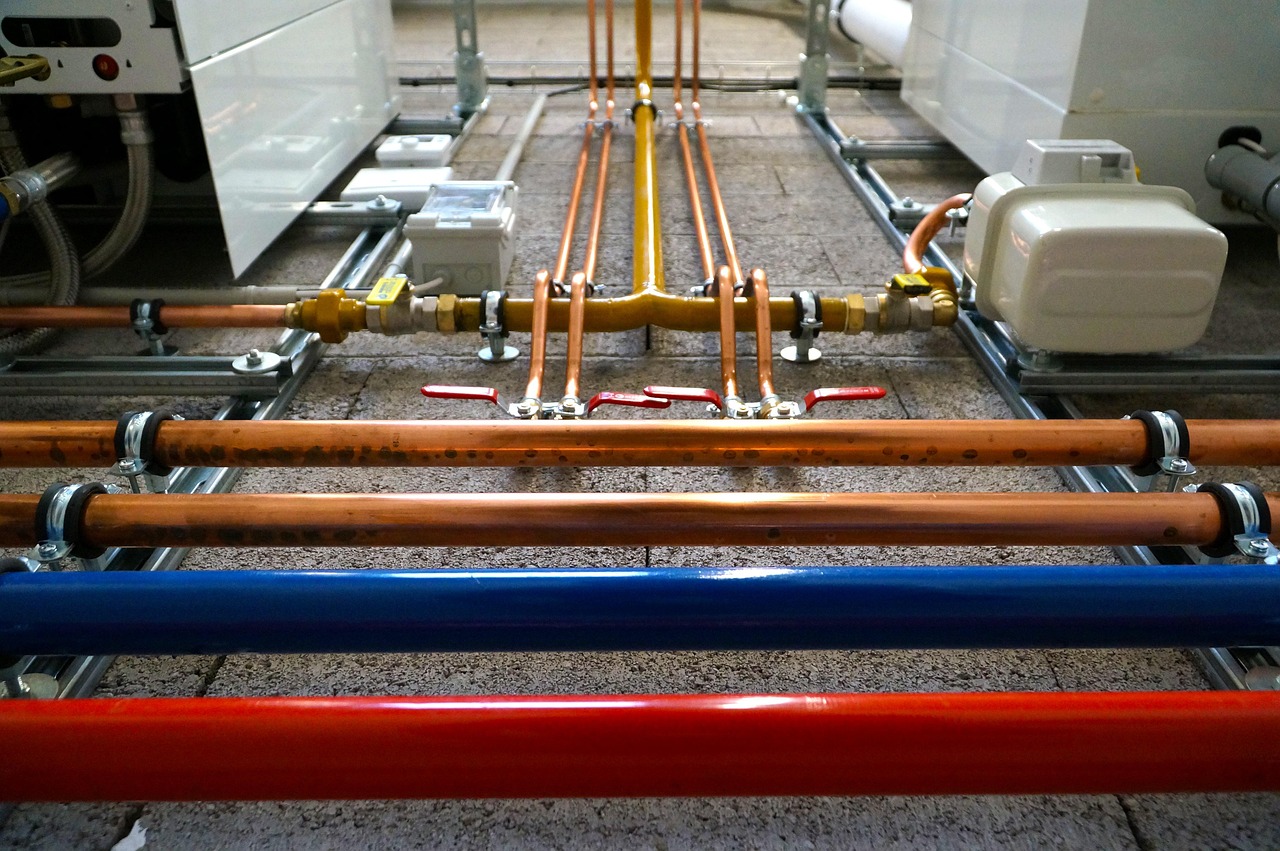
Preventive measures play a critical role in safeguarding your Tampa Bay home or business from the destructive and costly impacts of sewage backups. Since Tampa Bay's unpredictable weather patterns and aging infrastructure can contribute to these incidents, a proactive approach is essential. Regular maintenance and updates to your property's plumbing and drainage systems can significantly reduce the likelihood of sewage backups.
A thorough inspection by a licensed local plumber can identify vulnerabilities, such as outdated pipe materials, clogged drains, or faulty valves, which are common causes of backups. Simple measures like clearing drain traps of grease and hair, sealing pipes against leaks, and installing water shut-off valves in vulnerable areas can make a substantial difference. Ensuring your property's drainage system is clear of obstructions and properly graded to direct water away from buildings is crucial.
These companies can provide expert assessments, regular maintenance packages, and customized solutions tailored to your property's unique needs. Remember, prevention is always more effective and less expensive than cleanup. By taking proactive steps, you can mitigate the risk of sewage-related damage, ensuring your Tampa Bay property remains protected.
Frequently Asked Questions About Expert-Led Tips for Efficient Sewage Backup Cleanup and Restoration
What is the first step after a sewage backup?
Immediate action is crucial. Turn off the main water supply to prevent further contamination. Then, evacuate the area to ensure everyone's safety. Don't attempt to clean up or repair the damage yourself; call a professional service immediately. They'll assess the situation, don don protective gear, and contain the affected area to prevent the spread of hazardous bacteria and gases.
How do I know if I need professional help?
Sewage backups can be dangerous, even deadly. Signs requiring professional intervention include: raw sewage flowing from drains, a sewage smell persisting for more than a day, visible contamination of food, water, or surfaces, or noticeable health issues like nausea, vomiting, or diarrhea among household members. Professionals have the necessary equipment and expertise to safely handle hazardous materials and prevent further damage.
What should I do to prevent future sewage backups?
Regular maintenance is key. Schedule annual inspections with a plumber to check for clogs, leaks, and damage to pipes. Avoid flushing non-biodegradable materials like grease, coffee grounds, or sanitary products down the toilet. Install water shut-off valves for individual fixtures to quickly contain any future backups.
How long does sewage cleanup and restoration typically take?
Most complete sewage cleanup and restoration projects take one to two days, depending on the severity of the backup and the extent of damage. A professional service will assess the situation, remove contaminated materials, disinfect the area, and repair any damage. They'll also monitor air quality and ensure safe re-entry.
Are there any legal considerations after a sewage backup?
Document everything, including the source of the backup, the extent of damage, and any communications with contractors or insurance companies. Check your homeowner's insurance policy to understand your coverage for sewage damage. In some cases, you may be responsible for repairing damage caused by negligence or lack of proper maintenance.
What kind of equipment do professionals use to clean up sewage?
Professionals use specialized equipment, including: high-pressure water cleaners to remove contaminated materials, air scrubbers to remove odors and harmful gases, dehumidifiers to dry out affected areas, and negative air machines to prevent the spread of contaminants.
How do I choose a reputable sewage cleanup service?
Look for a company with a proven track record, licensed and insured professionals, and positive customer reviews. Check if they adhere to industry standards and use environmentally responsible cleaning methods. Ask for references and get multiple estimates before making a decision.
In the wake of a sewage backup, Tampa Bay residents now have a practical guide to navigate the cleanup process. This article has provided expert-led insights on every step from assessing damage to restoration, emphasizing safety, containment, and health considerations. Key takeaways include the importance of rapid action, utilizing specialized tools, and understanding the legal and insurance aspects. Homeowners are now equipped to protect their properties, mitigate risks, and effectively restore their living spaces, ensuring a safer and more secure Tampa Bay community in the face of sewage backup events.
Sewage Backup Cleanup in Tampa Bay: A Practical guide
Assess the extent of a sewage backup in Tampa Bay, considering the cause (e.g., burst pipe, severe weather) for effective, cost-efficient cleanup. Understand health risks, cost considerations, and insurance coverage to minimize stress and ensure swift restoration. Prioritize safety through hazard identification, local health guidelines, and professional expertise. Implement proactive measures, such as regular plumbing inspections and maintenance, to prevent sewage backups.