
In the bustling, humid climate of Tampa Bay, FL, homeowners face a common yet distressing problem: sudden sewage backups. Whether from storm-related flooding, aging infrastructure, or internal plumbing failures, these incidents can wreak havoc on properties, causing extensive damage and even health risks. The swiftness of response and effective cleanup are crucial to minimize loss and restore homes to their pre-incident condition. This article examines the critical services provided by leading companies specializing in sewage backup cleanup Tampa Bay FL, exploring their emergency response, cost considerations, and the broader impact on the community. By understanding these aspects, residents can make informed decisions and effectively navigate these challenging situations.
- Understanding Tampa Bay's Emergency Response to Sewage Backups
- The Immediate Steps After a Sewage Backup Occurs
- Assessing Damage: Tools and Techniques for Tampa Bay Cleanup
- Specialized Equipment for Efficient Sewage Backup Cleanup
- Safety Protocols: Protecting Workers and Residents During Cleanup
- Restoring Your Home: A Step-by-Step Guide for Tampa Bay Residents
- Dealing with Insurance: Claims and Coverage for Sewage Backup Cleanup
- Preventive Measures: Minimizing Sewage Backup Risks in Tampa Bay
Understanding Tampa Bay's Emergency Response to Sewage Backups
In the event of a sewage backup, swift and reliable emergency response is crucial for minimizing damage and ensuring a safe, healthy environment. Tampa Bay, FL, is well-equipped to handle these situations thanks to a robust network of local emergency services and sewage cleanup specialists. Understanding the emergency response to sewage backups in this region is vital for property owners, as it dictates the speed and effectiveness of recovery efforts.
When a sewage backup occurs, the first step is to contact a professional sewage cleanup service. In Tampa Bay, several reputable companies offer same-day emergency response, ensuring swift action. These experts will assess the situation, containing the backup to prevent further contamination. Local health department guidelines and Red Cross protocols are often followed to ensure public safety.
The next phase involves insurance claims, which can be a complex process. Understanding your policy and the claims process is crucial. Most home insurance policies cover sewage backup, but the extent of coverage varies. The average homeowner in Tampa Bay can expect a settlement to cover the cost of cleanup and repairs, but the process requires meticulous documentation. A local insurance expert or agent from organizations like Allstate Insurance can provide guidance on navigating these claims, ensuring property owners are compensated appropriately for their losses. By partnering with experienced sewage cleanup experts and understanding their insurance coverage, Tampa Bay residents can effectively manage the aftermath of a sewage backup.
The Immediate Steps After a Sewage Backup Occurs

When a sewage backup occurs, the immediate response can significantly impact the cleanup process and the overall cost. Homeowners in Tampa Bay, FL, should follow these crucial steps to ensure a swift and effective response. First, sewage backup cleanup Tampa Bay FL professionals recommend shutting off the water supply at the main shutoff valve to prevent further contamination. Then, evacuate the area to avoid health risks and contact nearby sewage cleanup services Tampa Bay residents trust.
Choosing the right service is paramount. Homeowners should look for top-rated sewage backup cleanup professionals who offer 24/7 emergency response. They will assess the damage, contain the spill, and remove contaminated materials. They might use specialized equipment to vacuum up liquid and dry out affected areas, minimizing structural damage.
After the initial cleanup, a thorough decontamination is necessary. This involves sanitizing surfaces and structures to prevent the growth of harmful bacteria and mold. Homeowners should consult with local health department guidelines and consider engaging local emergency cleanup teams for this step. Remember, timely action is key. The faster you address a sewage backup, the less extensive the damage and the easier the restoration process becomes.
Assessing Damage: Tools and Techniques for Tampa Bay Cleanup
In the event of a sewage backup, a swift assessment is crucial for effective cleanup and restoration in Tampa Bay, FL. Licensed professionals in sewage backup cleanup Tampa Bay FL employ specialized tools and techniques to accurately gauge the extent of the damage. This initial evaluation involves a combination of visual inspections, moisture meters, and advanced technology to map the affected areas.
A licensed sewage cleanup Tampa Bay service might use non-invasive cameras to navigate through pipes and identify the source of the backup, while moisture sensors measure water levels to pinpoint saturated areas. These tools empower experts to differentiate between surface water and raw sewage, ensuring a tailored cleanup strategy. The process may also include air quality testing to identify hazardous gases and ensure the safety of residents and cleanup workers.
Once the assessment is complete, same-day sewage backup restoration Tampa Bay specialists can provide a detailed report outlining the work required. This report, along with an upfront, affordable estimate, allows property owners to understand the scope of the project and make informed decisions. The emphasis on transparency and affordability sets apart reputable Tampa Bay sewage backup cleanup services, ensuring residents receive top-notch care without excessive costs.
Specialized Equipment for Efficient Sewage Backup Cleanup
In the event of a sewage backup, efficient cleanup is crucial to minimize damage and prevent health hazards. Trusted sewage cleanup Tampa Bay companies employ specialized equipment designed for swift and thorough removal of contaminated water and debris. This gear is tailored to tackle the unique challenges of sewage backup cleanup, ensuring a more comprehensive and effective restoration process.
Top-rated sewage backup cleanup professionals in Tampa Bay FL utilize high-pressure water extractors to rapidly suck up flooded water and contaminated materials. These machines are capable of handling large volumes of water and debris, making them indispensable for efficient cleanup. Specialized vacuum trucks are employed to remove heavy, soggy debris that might remain after the initial extraction. This multi-step approach ensures that not only is the visible water gone, but any residual moisture and potential contaminants are also eliminated.
Beyond equipment, these professionals have access to advanced technologies for moisture detection and odor control. Moisture meters help identify hidden sources of water and dampness, ensuring every corner of the affected area is thoroughly dried. Deodorizing agents and air purifiers are used to combat lingering sewage odors, providing a healthier and more comfortable environment for residents. This holistic approach, employing both advanced equipment and advanced techniques, distinguishes top-rated sewage backup cleanup services in Tampa Bay from their competitors, offering homeowners a reliable and efficient solution in their time of need.
Safety Protocols: Protecting Workers and Residents During Cleanup
In the aftermath of a sewage backup in Tampa Bay, FL, the primary concern is not just the damage to property but also the safety of residents and workers involved in the cleanup. Experienced sewage cleanup teams in Tampa Bay adhere to strict safety protocols to mitigate risks associated with hazardous materials and infectious diseases. These protocols encompass a comprehensive range of measures, including personal protective equipment (PPE), thorough decontamination, and adherence to local health department guidelines.
Workers are equipped with specialized gear such as gloves, boots, and masks to prevent direct contact with contaminated water. PPE ensures that the cleanup process does not expose individuals to harmful bacteria, viruses, and parasites commonly found in sewage. Experienced teams employ advanced disinfection techniques and powerful sanitizers to eliminate pathogens and ensure a safe environment. The use of professional-grade equipment and products plays a crucial role in this process, as they are designed to meet the rigorous standards of same-day sewage backup restoration in Tampa.
Local health departments often provide guidelines and regulations that cleanup teams must follow to protect public health. These guidelines may include specific procedures for handling and disposing of contaminated materials, as well as protocols for monitoring air and water quality. By adhering to these standards, nearby sewage cleanup services in Tampa Bay ensure that the cleanup process is not only efficient but also safe for everyone involved. This commitment to safety is a cornerstone of professional sewage backup cleanup in the Tampa Bay area, ensuring that residents can return to their homes as quickly and safely as possible.
Restoring Your Home: A Step-by-Step Guide for Tampa Bay Residents
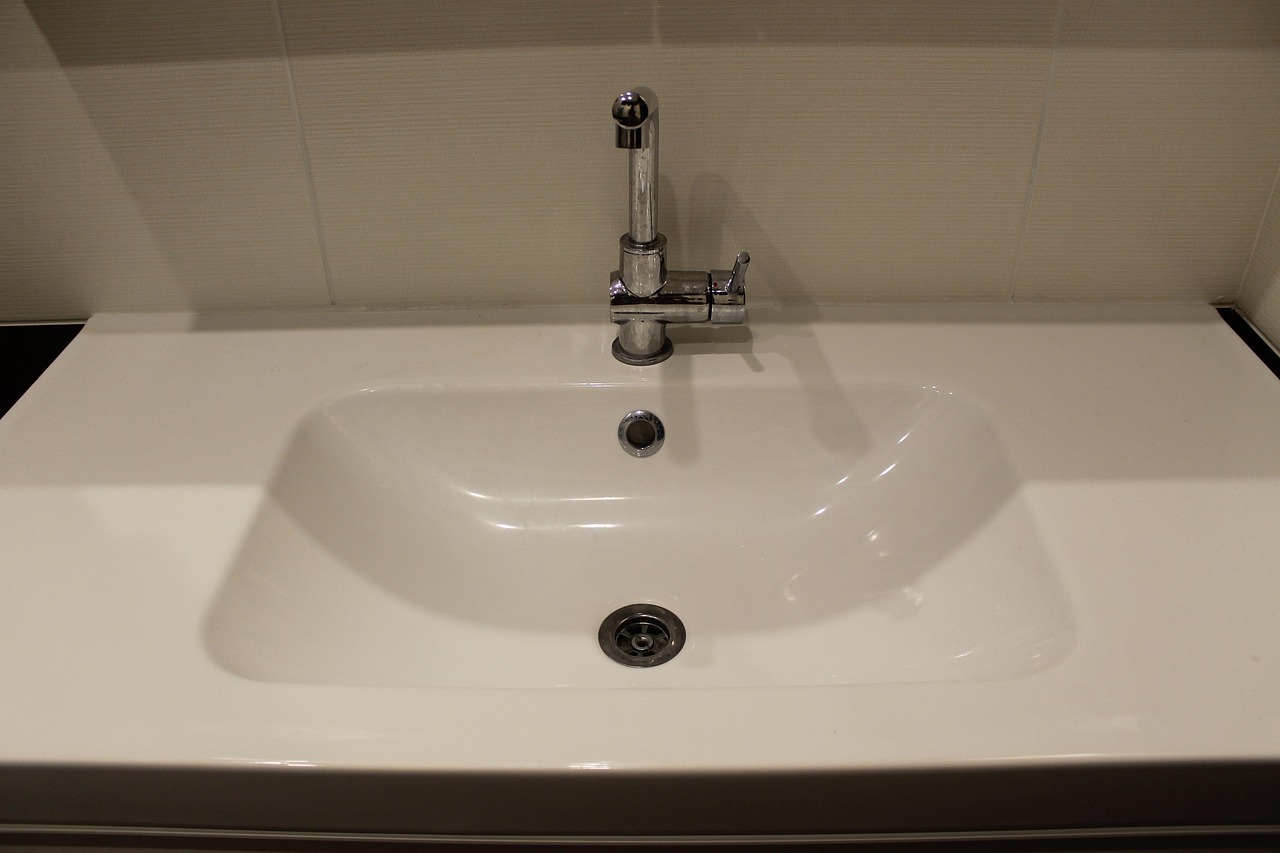
Restoring your home after a sewage backup is a critical process that requires immediate action and expert guidance. In cleanup Tampa Bay, FL, residents have access to specialized services designed to handle these emergencies efficiently.
Once you've reached out to a professional, the next phase involves assessing the damage. A local team will inspect the affected areas, determine the extent of the contamination, and develop a cleanup plan. This might include removing contaminated materials, sanitizing surfaces, and repairing any plumbing issues. Homesafe Plumbing can address the root cause, ensuring the problem doesn't recur. The service team will also help coordinate with local health departments, like the Tampa Bay Emergency Services, to ensure the safety of your home and family.
After the initial assessment, the cleanup process begins. Professionals use specialized equipment and products to extract sewage water and thoroughly clean and disinfect all surfaces. This step is crucial to prevent the growth of mold and bacteria, which can pose significant health risks. Not all companies offer the same level of service. When reviewing sewage cleanup reviews Tampa Bay area, look for companies with proven track records, such as SewagePro, that prioritize customer satisfaction and adhere to industry best practices.
Finally, once the cleanup is complete, a final inspection is conducted to ensure the property meets health and safety standards. The contractor may provide advice on preventing future backups, like installing backup sump pumps or reinforcing sewer lines. If your home insurance covers sewage backup, understand the specifics of your policy through the Florida Insurance Commission. This will help you navigate the claims process, ensuring a smoother recovery. Remember, quick action and the right expertise make all the difference in restoring your home to its pre-backup condition.
Dealing with Insurance: Claims and Coverage for Sewage Backup Cleanup
When a sewage backup occurs in your Tampa Bay home, navigating insurance claims for affordable sewage backup cleanup Tampa Bay FL can be stressful. Understanding your policy and coverage options is crucial for a smooth recovery. Many homeowners don't realize that not all water damage is covered equally, especially in cases of sewage backup. These professionals can help document the damage and guide you through the claims process.
The best sewage backup cleanup companies Tampa Bay FL offer more than just immediate response. They also advise on insurance coverage and help ensure you receive adequate compensation. According to the Local Health Department, it's essential to have a clear understanding of what your policy covers and what it doesn't. Many standard home insurance policies include coverage for sewage backup, but the amount varies. Some policies have specific limits for water damage, which can include sewage. It's not uncommon for insurance companies to deny claims if the damage was caused by something other than a covered event, such as a faulty plumbing system or intentional misconduct.
To ensure you're getting reliable sewage backup cleanup services 1-800-Sewage Pro and similar providers offer transparent pricing and accurate assessments. They can help you calculate the cost of cleanup, which can be significant. The average home insurance policy may cover up to $1,000 for water damage, but a severe backup could cost tens of thousands. A good rule of thumb is to have a Sewage Cleanup Cost Calculator readily available. Many insurance companies require thorough documentation and estimates from licensed professionals to process claims effectively. The Local Emergency Cleanup Team and Red Cross can also assist in coordinating with insurance companies and ensuring your claim is handled efficiently.
Legal considerations play a role in the claims process. The Florida Insurance Commission oversees insurance practices and can provide guidance on policy interpretations. It's crucial to file a claim promptly, as most insurance companies have time limits for reporting water damage. Understanding your policy's deductibles and coverage limits can help you make informed decisions when choosing a sewage backup cleanup company. By selecting an affordable yet reliable service, you can protect yourself from unexpected financial burdens and ensure your Tampa Bay home is restored to its pre-loss condition.
Preventive Measures: Minimizing Sewage Backup Risks in Tampa Bay
Preventing sewage backups is a crucial aspect of maintaining a safe and healthy home environment, and top-rated sewage backup cleanup professionals in Tampa Bay FL are well-versed in the strategies to minimize these risks. One of the first lines of defense against sewage backup is proactive maintenance. Homeowners should schedule regular inspections by local plumbers or home inspectors to identify potential issues with their plumbing system. Checking for loose connections, damaged pipes, or old fixtures can prevent blockages that lead to backups.
To routine maintenance, there are cost-effective sewage cleanup solutions Tampa Bay FL residents can implement to protect their homes. Preventative measures include installing backflow prevention devices, which act as a one-way valve, stopping sewage from flowing back into the clean water supply. These devices are especially important for homes with old plumbing or those located in areas prone to flooding. Homeowners should also ensure their home insurance policies cover sewage backup, as these incidents can cause extensive damage. Many average home insurance policies in Tampa Bay FL include coverage for sewage backup, but it's crucial to review your specific policy to confirm.
Another effective strategy is to practice careful waste disposal. Preventing grease and food waste from going down the drain can significantly reduce the risk of clogs. Homeowners should avoid pouring grease into the sink and use strainers to catch food particles. Ensuring that only toilet paper is flushed down the toilet can prevent obstructions. By combining these preventative measures, Tampa Bay residents can minimize the chances of experiencing a sewage backup, ultimately saving them from costly cleanup and potential health hazards.
Frequently Asked Questions About Same-Day Sewage Backup Cleanup: How Tampa Bay Companies Deliver
What happens when I have a sewage backup? When you experience a sewage backup, it's crucial to contact a professional service immediately. Tampa Bay companies are equipped to handle such emergencies, offering rapid response times. They'll assess the situation, contain the damage, and begin the cleanup process. The goal is to prevent further contamination and minimize disruptions.
How quickly can Tampa Bay companies respond? Most Tampa Bay sewage backup cleanup companies aim for a swift response, typically within an hour of your call. This speed is essential for effective containment and to stop the spread of any potential hazards. Their well-equipped teams are ready to deploy specialized equipment for extraction and decontamination.
Do I need to evacuate my property? Evacuation is often recommended, especially if the backup is significant. The last thing you want is to risk health issues from contaminated water. The contractor will advise whether you can remain or if a safe evacuation is necessary. They'll ensure your safety throughout the cleanup process.
How do these companies handle sewage removal? Sewage removal is a specialized task. Companies use powerful pumps and vacuum trucks to extract the contaminated water. They employ advanced filtration systems to ensure the water is properly treated and disposed of, preventing environmental harm. The process is designed to be efficient, minimizing disruption to your daily life.
Are the services covered by insurance? Many insurance policies cover sewage backup damage, but it varies by provider. It's essential to review your policy or contact your insurer to confirm coverage. The cleanup company can assist in this process, guiding you through the necessary steps to file a claim and ensuring you receive the appropriate financial assistance for the restoration work.
Dealing with sewage backup cleanup in Tampa Bay, FL, requires a multifaceted approach. By understanding the immediate response protocols of local emergency services, implementing rapid damage assessment techniques, and utilizing specialized equipment, professionals can efficiently restore properties. Safety protocols and protective measures for workers and residents are paramount, underscoring the importance of adhering to industry standards and best practices. Homeowners should follow a step-by-step guide for restoration and be aware of their insurance coverage, as most home insurance policies do not initially cover sewage backup. Proactive measures, such as regular plumbing inspections and preventive maintenance, can significantly minimize the risk of sewage backups in Tampa Bay.
In Tampa Bay, FL, swift sewage backup cleanup (same-day response) is crucial. Understand insurance coverage, file claims efficiently, and partner with experts to manage damage and settlements. Preventive measures include regular plumbing inspections, backflow prevention devices, and responsible waste disposal to minimize backup risks.