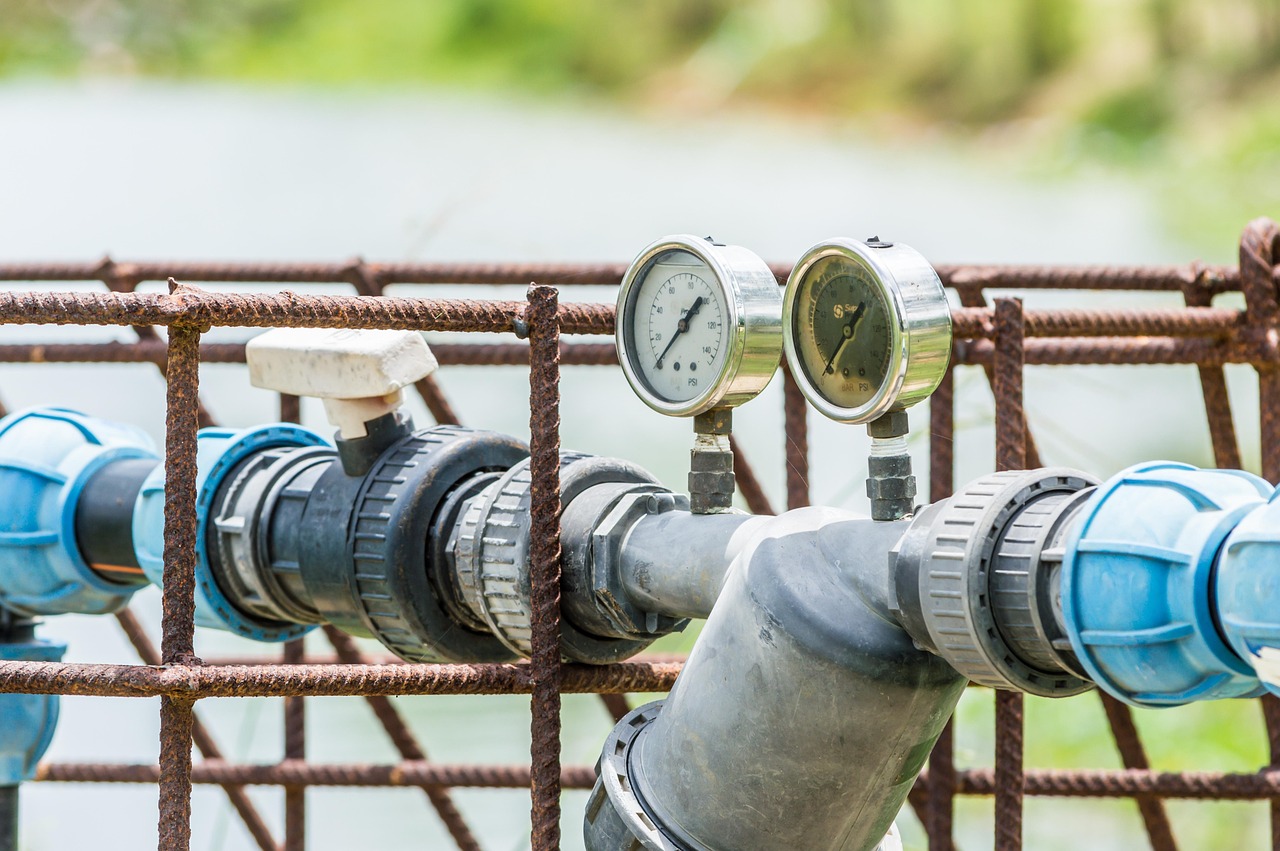
In the bustling city of Tampa Bay, FL, a silent threat looms beneath many homes and businesses: sewage backup. This unwelcome intruder can cause not just extensive property damage but also pose serious health risks. A quick response is crucial to mitigate these dangers. When facing a sewage backup, knowing exactly what to do and who to call is essential. This guide, tailored to the specific needs of Tampa Bay residents, will walk you through the process of emergency response, cleanup, and even prevention, empowering you to navigate this challenging situation with confidence. By understanding the key steps and considerations, you can ensure a swift and effective sewage backup cleanup.
- Understanding Sewage Backups: Common Causes in Tampa Bay
- Immediate Steps: What to Do After a Backup Occurs
- Assessing the Damage: Evaluating Your Property's Impact
- Safe Cleanup Practices: Protecting Yourself and Your Home
- Professional Help: When to Hire a Tampa Bay Cleanup Expert
- Restoring Your Space: Effective Post-Backup Remediation
- Preventative Measures: Safeguarding Against Future Backups
Understanding Sewage Backups: Common Causes in Tampa Bay

In the event of a sewage backup, understanding the root causes is crucial for effective cleanup and restoration in Tampa Bay, FL. Common causes range from faulty plumbing, where old pipes or misaligned fittings can lead to water leaks and backup, to heavy rainfall overwhelming local drainage systems. Flash floods and severe storms can push excess water into sewer systems, causing backups that affect homes and businesses. Tree roots intruding into pipes, broken or damaged sewer lines, and improper connection to the municipal sewer system can all contribute to sewage backup cleanup tampa bay fl.
Reliable sewage backup cleanup services in Tampa Bay should be equipped to handle these diverse issues. They employ advanced equipment and techniques to clear blockages, extract contaminated water, and decontaminate affected areas. These teams often use high-pressure jet pumps to remove stubborn debris and ensure the complete elimination of sewage odors.
The cost of sewage backup cleanup tampa bay fl varies, but understanding your insurance coverage is essential. Most home insurance policies cover backup events, but the extent of coverage depends on the policy. The Florida Insurance Commission provides resources to help policyholders understand their coverage. Preventive measures, such as regular maintenance by local plumbers and home inspectors, can also reduce the likelihood and severity of sewage backup incidents in your Tampa Bay home.
Immediate Steps: What to Do After a Backup Occurs
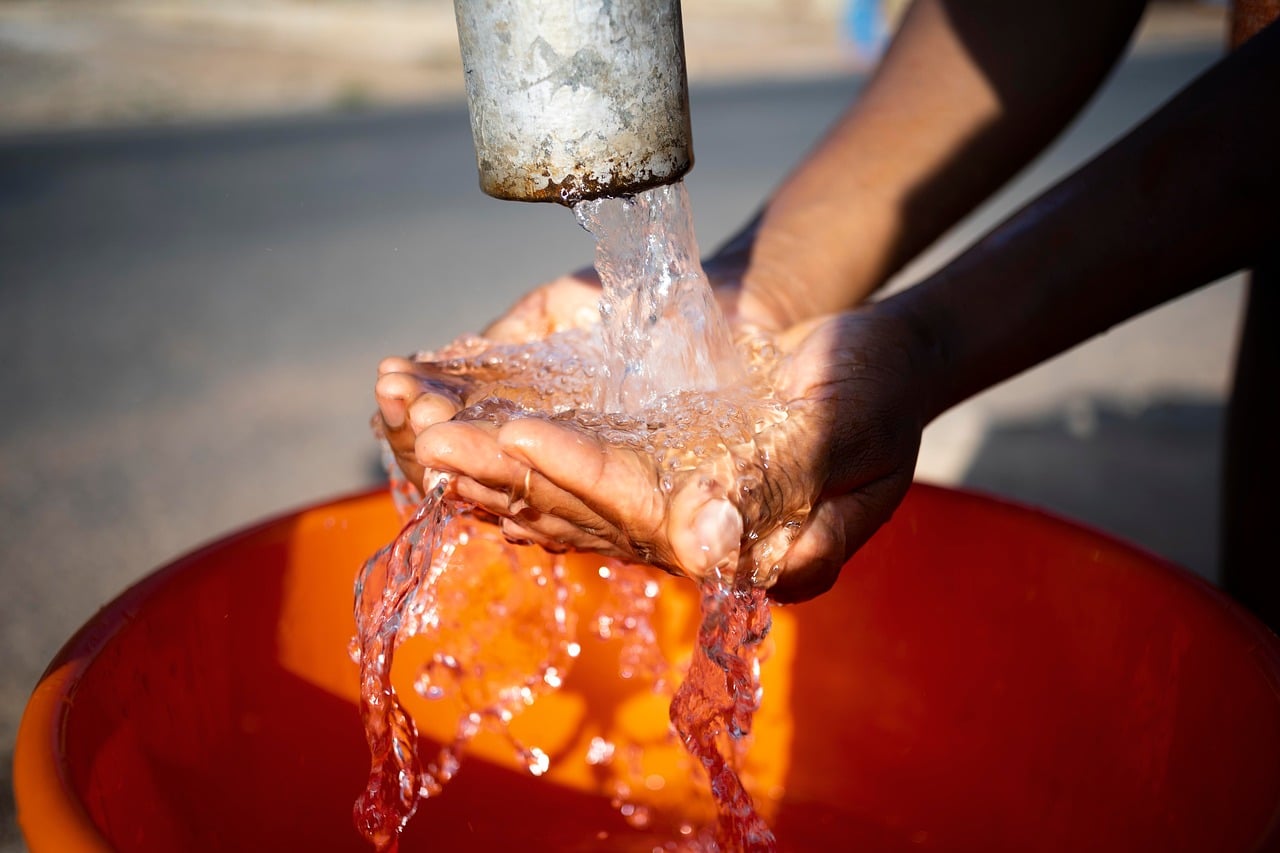
After a sewage backup occurs in your Tampa Bay home, immediate action is crucial. First, sewage backup cleanup Tampa Bay FL emergency contact numbers should be your first call. Organizations like Tampa Bay Emergency Services and the Local Health Department can provide initial guidance and assistance. They can direct you to the best sewage backup cleanup companies Tampa and ensure the situation is handled according to public health standards.
Time is of the essence. Begin by shutting off the water supply at the main valve if it's safe to do so. This prevents further contamination. Then, evacuate the affected area and remove as much water as possible with buckets or mops. Don't try to dry it out yourself; the sewage cleanup process requires specialized equipment and expertise. They will assess the damage, remove contaminated materials, and decontaminate the area to prevent health risks.
Documentation is important. Take photos of the damage before any cleanup begins. This can help with insurance claims, which you should file as soon as possible with your Average Home Insurance Policy. Be sure to inform your insurance company about the incident and follow their guidelines for reporting sewage damage. Allstate Insurance may have specific steps they recommend for their policyholders. Lastly, consider the environmental impact. Tampa Bay Water offers resources on proper sewage disposal and cleanup to minimize the region's overall ecological footprint.
Assessing the Damage: Evaluating Your Property's Impact
Assessing the damage from a sewage backup in Tampa Bay, FL, is a critical first step in the cleanup process. This immediate evaluation will help you understand the extent of the problem and guide your decisions on repairs and restoration. When faced with a sewage backup, it's essential to act swiftly. The longer the backup goes untreated, the more severe the damage can become, leading to health hazards and costly repairs.
What to look for immediately after a sewage backup in Tampa Bay? Begin by identifying the source and the extent of the spill. Sewage is a mixture of water and waste, and its contents can vary from simple water and debris to more hazardous materials like chemicals or medical waste. Check for visible signs of damage, such as water stains on walls, floors, or ceilings. Pay close attention to basements, crawl spaces, and areas adjacent to plumbing fixtures, as these are common points of entry for backups. The smell of sewage is a strong indicator; a pungent, eggy odor can signal the presence of bacteria and pathogens.
Once you've confirmed a sewage backup, it's crucial to take immediate steps. The first action should be to turn off the water supply to prevent further contamination. Then, document the damage with photos or videos for insurance purposes. They have the necessary equipment and expertise to handle the situation safely. Understanding your home insurance policy regarding sewage backup is vital. Most average home insurance policies in Florida cover sewage backup, but the specifics vary, so check with your provider. Allstate Insurance typically covers these incidents, but policies may differ, so reviewing your coverage is essential before filing a claim.
Don't forget that severe sewage damage can lead to mold growth, which poses additional health risks. Mold removal Tampa Bay services may be needed after the initial cleanup to ensure a healthy living environment. Preventive measures, like regular plumbing inspections and maintaining your system, can reduce the likelihood of future sewage backups. In the event of a backup, acting quickly and seeking professional assistance will ensure a more efficient and effective cleanup process.
Safe Cleanup Practices: Protecting Yourself and Your Home
For sewage backup cleanup Tampa Bay FL, safe practices are paramount. This isn't just about preventing the spread of disease-it's about protecting your health, your home, and your financial well-being. The last thing you want is for a partial cleanup or improper handling to cause secondary damage or trigger a costly insurance dispute.
First, always prioritize professional assistance. They understand that sewage contains harmful bacteria and pathogens, so they wear protective gear and follow strict protocols to minimize risk. A reputable service will use specialized equipment to remove contaminated materials, dispose of them properly, and thoroughly clean and disinfect the affected area.
When considering the cost of affordable emergency sewage cleanup Tampa Bay FL, remember that a thorough, professional cleanup is an investment in your health and peace of mind. While some minor backups might be handled in-house, it's crucial to consult with a local expert, like the staff at Local Emergency Cleanup Team, to determine the extent of the damage and the best course of action. They can also help navigate sewage backup and insurance claims Tampa FL, ensuring you're compensated for necessary repairs and cleanup. Be wary of companies that don't follow proper safety protocols-they may put your health at risk and could leave you footing the bill for additional damage.
The key to a safe and effective sewage backup cleanup Tampa Bay FL is to trust the professionals. Their knowledge, experience, and adherence to safety standards will ensure your home is restored to its pre-backup condition, and that you're protected from potential health hazards and financial burdens. Always read sewage cleanup reviews Tampa Bay Area to ensure you're choosing a reputable and reliable service.
Professional Help: When to Hire a Tampa Bay Cleanup Expert
When dealing with a sewage backup in Tampa Bay, FL, knowing when to seek professional help is crucial. While some minor incidents may be handled with basic tools and DIY methods, a full-blown sewage backup requires the expertise of experienced cleanup teams. In such situations, it's essential to contact top-rated sewage backup cleanup professionals who can swiftly assess, contain, and restore your property to its pre-damaged condition.
The decision to hire a cleanup expert should be based on several factors. First, consider the extent of the damage. If the backup involves raw sewage or has affected a large area, professional assistance is virtually indispensable. A sewer line break that spills sewage into multiple rooms necessitates specialized equipment and knowledge for safe and complete cleanup. Local health department regulations often mandate professional cleanup after a sewage incident to prevent the spread of diseases.
Readiness for sewage backup emergencies in Tampa Bay is a significant advantage when dealing with a crisis. Some companies offer 24/7 emergency services, ensuring that you're not left waiting during a dire situation. The quick response of these experienced teams can minimize damage and the potential for mold growth, which can be a significant aftereffect of sewage backups. Remember, the average home insurance policy may not cover all aspects of sewage cleanup, so understanding your coverage and the expertise offered by top-rated professionals in your area is key to making informed decisions.
Restoring Your Space: Effective Post-Backup Remediation

After a sewage backup, restoring your space isn't just about removing the visible mess-it's about ensuring a safe, healthy environment and minimizing structural damage. Effective post-backup remediation involves understanding the entire process and working with reliable, affordable sewage backup cleanup Tampa Bay FL services.
The first step is containment and removal. This is where professional services come in. They'll secure the area, remove contaminated materials, and clean affected surfaces. It's crucial to choose a company with a proven track record and the right certifications to handle hazardous materials safely.
Once the immediate cleanup is complete, the real work begins: disinfection and restoration. This involves using powerful disinfectants to kill any bacteria or viruses present, followed by a thorough cleaning and deodorization. The local Health Department often provides guidelines on safe cleaning practices, so ensure your chosen service follows these. The goal is to return your space to its pre-backup condition, which might require rebuilding or replacing affected areas.
Understanding the process is key. While the average homeowner may not be equipped to handle a full-scale cleanup, knowing the steps involved-from initial assessment to final restoration-empowers you to make informed decisions. It's also important to consider the cost. Most home insurance policies cover sewage backup, but understanding the average sewage cleanup cost in Tampa Bay FL can help you prepare and choose an affordable, reliable service. A 24/7 Emergency Cleanup team can provide a detailed estimate, ensuring you're not surprised by hidden fees.
Preventative Measures: Safeguarding Against Future Backups
Preventing plumbing disasters like sewage backups is crucial for any homeowner in cleanup Tampa Bay, FL. While timely cleanup and restoration are essential after a backup occurs, proactive measures can significantly reduce the risk of future incidents. Understanding the common causes of sewage backups-such as roots infiltrating pipes, broken or improperly installed fixtures, and obstructions in the sewer line-is the first step toward prevention. Regular inspection and maintenance by certified sewage backup cleanup specialists can identify these issues before they escalate. A professional plumber can inspect your pipes for tree root intrusions, which are a leading cause of backups, and recommend appropriate mitigation strategies, such as relining or replacing affected sections.
To regular maintenance, homeowners can take several practical steps to safeguard against sewage backups. Installing backflow prevention devices can stop contaminated water from flowing back into your clean water supply. Keeping drain covers in good condition and using them properly can prevent obstructions and reduce the risk of clogs. Being mindful of what goes down the drain is paramount. Avoid flushing non-biodegradable items, grease, or large food particles, as these can accumulate and cause blockages. Regularly cleaning out drain traps and using enzyme-based cleaners to break down organic matter can also help maintain the health of your plumbing system.
They recommend that homeowners in the area incorporate these preventive practices into their regular routines. By doing so, you not only reduce the likelihood of costly and inconvenient sewage backup cleanup in Tampa Bay, FL, but also protect your home's value and ensure the longevity of your plumbing system. Remember, while the services of certified sewage backup cleanup specialists are invaluable in the event of a disaster, taking steps to prevent these events from occurring in the first place is the most effective and cost-efficient strategy.
Frequently Asked Questions About Sewage Backup Cleanup 101: What You Need to Know Before Hiring a Pro
What is sewage backup, and how does it happen? Sewage backup occurs when a plumbing system becomes overloaded, often due to clogs, pipe damage, or heavy rainfall. It results in raw sewage flowing back into homes or buildings, causing severe damage and health risks. This can happen in various ways, such as a burst pipe backing up into a basement or a toilet clog leading to a sewage overflow.
When should I call a professional for sewage cleanup? You should immediately contact a professional sewage cleanup service if the backup is extensive, if it's a repeat occurrence, or if it poses a health risk. Attempting to handle significant sewage backup yourself can lead to exposure to harmful bacteria and pathogens. Professional services have the equipment and expertise to contain and clean up the mess safely.
How do I know if I have a sewage backup, and what are the signs? Signs of a sewage backup include a foul odor, gurgling sounds in pipes, water or sewage flowing up through drains, and a sudden increase in water pressure. If you notice any of these, check for visible signs of sewage in your basement, garage, or any other low-lying areas. It's better to act quickly to prevent further damage.
What should I do immediately after discovering a sewage backup? The first step is to turn off the main water supply to prevent further water from entering your home. Do not attempt to flush toilets or use any plumbing fixtures as this could spread the contamination. Evacuate the affected area and call a professional cleanup service. Wear protective gear if available, and do not touch or move any contaminated items without proper equipment.
Can I clean up the sewage backup myself, or do I need a professional? While some minor sewage backups can be cleaned up by homeowners, extensive or severe cases require professional help. Professional sewage cleanup services have specialized equipment like pumps, vacuums, and containment systems to extract and clean the affected area thoroughly. They also have the knowledge to identify and fix the root cause.
How long does it take to clean up a sewage backup, and what is the process? The cleanup process can vary depending on the extent of the damage. Most installations take one to two days, including assessment, containment, cleaning, and deodorizing. The service will assess the situation, set up containment barriers, use powerful equipment to remove sewage and contaminated materials, clean and disinfect the area, and ensure all waste is properly disposed of.
What should I expect from a professional sewage cleanup service? Professional services will provide a comprehensive cleanup and restoration process. They will ensure the affected area is sanitized and restored to a safe, habitable condition. This includes removing all contaminated materials, disinfecting surfaces, and restoring plumbing systems if necessary. They will also provide advice on preventing future backups.
In the event of a sewage backup in Tampa Bay, FL, understanding the root causes, immediate actions, and proper cleanup procedures is crucial. By promptly evaluating the damage, implementing safe practices, and knowing when to seek professional help, homeowners can protect their properties and minimize restoration time. Familiarizing yourself with these key insights and practical steps ensures a well-informed response to sewage backup cleanup Tampa Bay FL residents can count on.
Sewage Backup Cleanup Tampa Bay FL: Practical guide
Understanding root causes like faulty plumbing, heavy rainfall, and tree roots is vital for effective cleanup and restoration. Reliable services employ advanced equipment and techniques for blockages, water extraction, and decontamination. Cost varies, so understanding insurance coverage (often covered but with limitations) is crucial. Prevention includes regular maintenance, drain care, and avoiding non-biodegradable items in drains. Professional inspection can identify potential issues before they become costly backups. Always contact emergency services and professionals for guidance and assistance.