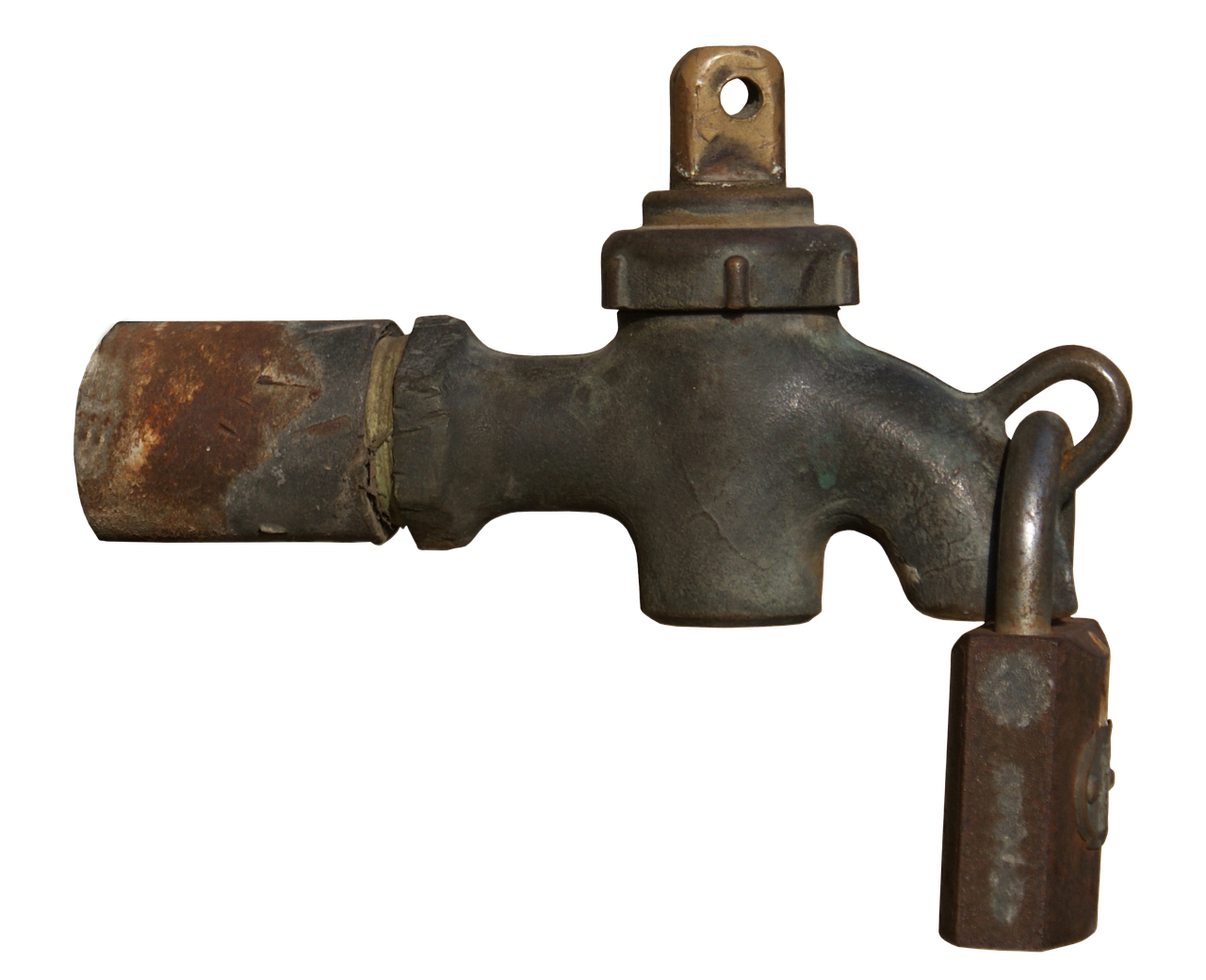
Sewage backups in Tampa Bay homes are a significant concern, posing both health risks and property damage. This pervasive issue arises from aging infrastructure, dense rainfall, and faulty plumbing, leading to costly and disruptive cleanup efforts. The financial burden and potential for disease spread make effective prevention crucial. In this article, we offer expert advice tailored to the unique challenges of the Tampa Bay area, focusing on proven strategies to safeguard your home from sewage backups. By understanding the root causes and implementing practical solutions, you can minimize the risk of these emergencies.
- Understanding Sewage Backups: Common Causes in Tampa Bay Homes
- Identifying Risk Factors for Sewage Backup in Your Home
- Regular Maintenance: Preventing Clogs and Blockages in Tampa Bay
- Safe Water Management Practices for Homeowners in Tampa Bay FL
- When Backup Occurs: Immediate Steps for Tampa Bay Residents
- Efficient Drain Cleaning: Professional vs. DIY Approaches in Tampa Bay
- Post-Backup Restoration: Ensuring Complete Sewage Cleanup in Tampa Bay Homes
Understanding Sewage Backups: Common Causes in Tampa Bay Homes

Sewage backups in Tampa Bay homes are a common problem, often caused by a variety of factors that can range from the obvious, like heavy rainfall, to the unexpected, such as tree roots infiltrating plumbing lines. Understanding these causes is the first step in prevention and effective response. One of the primary reasons for sewage backups is the age and condition of a home's plumbing system. Older homes, for instance, may have pipes made from lead or other materials that are no longer used due to their corrosiveness or toxicity. These pipes can degrade over time, leading to cracks or blockages that allow sewage to back up into basements or bathrooms.
Another significant cause is tree roots. Trees, especially those close to sewer lines, can send their roots into the pipes, causing damage or obstruction. This is a common issue in Tampa's climate, where many species of trees thrive and grow quickly. Oak trees are prevalent in the area and are notorious for their expansive root systems that can easily intrude upon underground infrastructure. When tree roots infiltrate sewer lines, they can cause clogs or even break pipes, leading to sewage backups. Homeowners should be aware of this potential issue, especially if their home is older or has large, mature trees nearby.
Emergency contact numbers for sewage cleanup in Tampa Bay are readily available, with services like 1-800-Sewage Pro and local emergency cleanup teams ready to respond. In the event of a sewage backup, it's crucial to act quickly. Upon noticing a backup, the first step should be to turn off the water supply at the main shutoff valve to prevent further contamination. Then, contact a professional sewage cleanup service immediately. These experts will assess the situation, remove the source of the backup, and clean and disinfect the affected areas to ensure a safe and healthy home environment.
Identifying Risk Factors for Sewage Backup in Your Home
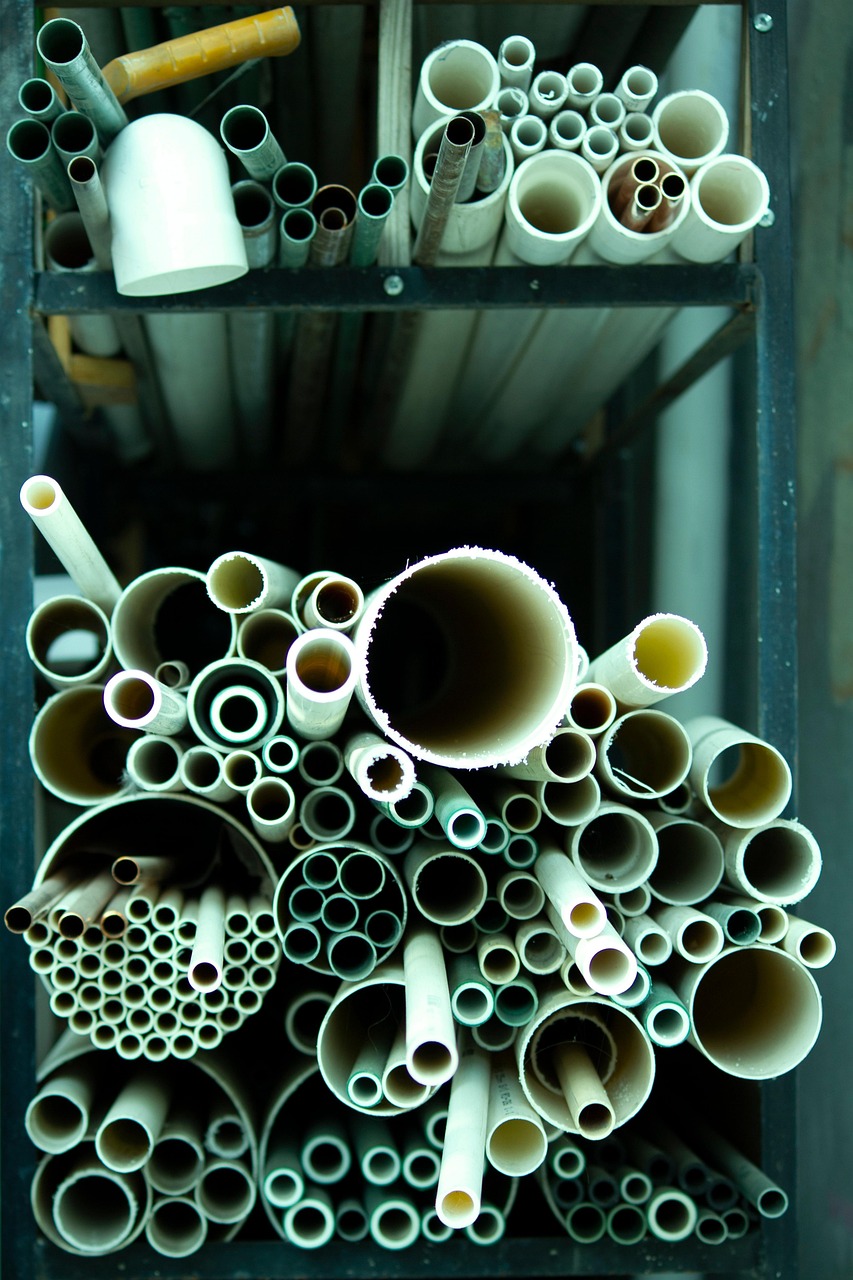
Identifying Risk Factors for Sewage Backup in Your Home
Sewage backup cleanup Tampa Bay FL is a common issue that can cause significant damage and discomfort. Understanding the risk factors specific to your home is crucial to prevent these costly and unpleasant incidents. Several elements can increase the likelihood of a sewage backup, many of which are easily identifiable. Older homes or those with complex plumbing systems are more susceptible, as are structures built near bodies of water or with inadequate drainage. Local conditions, like heavy rainfall or flooding, can also exacerbate these risks. Regular inspections by experienced sewage cleanup teams Tampa can help uncover these vulnerabilities and provide an opportunity for proactive measures.
One of the most critical steps in prevention is ensuring your home's drainage system is in good condition. This includes clearing out clogs in drains and sewer lines, which can be caused by grease buildup, tree roots, or debris. It's also essential to maintain and replace outdated plumbing fixtures and pipes, as they can weaken over time and contribute to backups. Homeowners should be vigilant about what goes down the drain, avoiding flushing non-biodegradable materials, chemical cleaners, or large food scraps that can congeal and obstruct pipes. Regular maintenance and these simple precautions can significantly reduce the chance of a sewage backup.
Staying informed about local conditions and emergency contact numbers for sewage cleanup Tampa Bay is vital. Understanding the response times and capabilities of professional services in your area can provide peace of mind. Many insurance policies cover sewage cleanup, but understanding your coverage and deductibles is crucial. A SewagePro or 1-800-Sewage Pro can offer guidance on policy specifics and connect you with affordable sewage backup cleanup Tampa Bay options. By combining proactive measures with a solid understanding of your home's vulnerabilities and local resources, homeowners can effectively minimize the risk of sewage backups.
Regular Maintenance: Preventing Clogs and Blockages in Tampa Bay
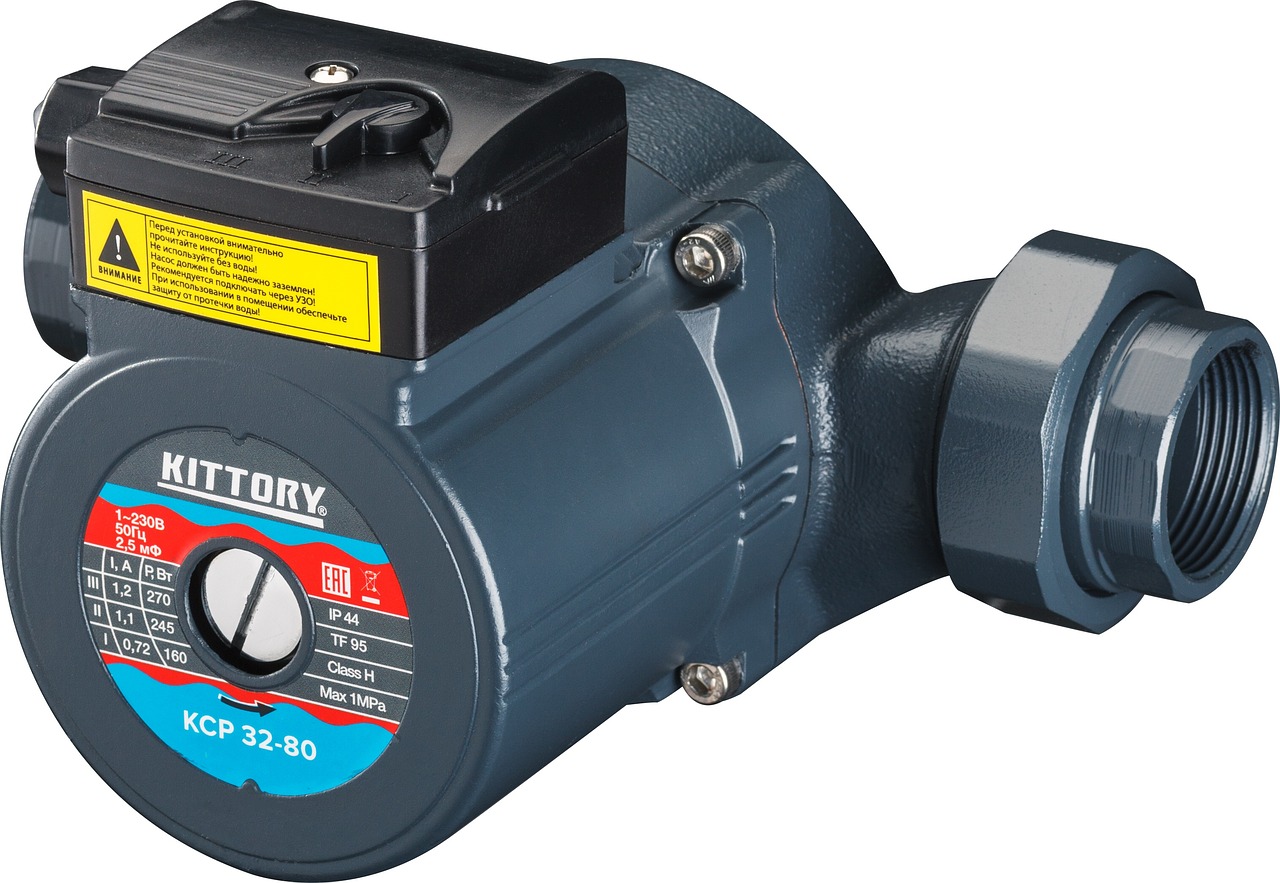
Regular maintenance is key to preventing costly and stressful sewage backups in Tampa Bay homes. A well-cared-for plumbing system is the first line of defense against these disasters. Homeowners should schedule regular check-ups with experienced local plumbers, like those at Homesafe Plumbing, to inspect for potential issues. This proactive approach can catch clogs and blockages before they become major problems, saving you from the hassle and expense of emergency sewage cleanup services in Tampa Bay.
One common cause of sewage backups is tree roots intruding on sewer lines. Over time, these roots can grow into the pipes, causing obstructions and leading to overflows. Regular maintenance includes checking for tree roots in your sewer lines and addressing them promptly. A local plumber might recommend a root-cutting service or suggest replacing the affected section of pipe. Homeowners should avoid planting large trees near sewer lines to minimize this risk.
Another critical aspect of maintenance is keeping your home's plumbing system clean. Grease, food debris, and other substances can build up in traps and pipes, leading to clogs. Implementing simple habits, like using drain covers and regularly cleaning drains with enzymes, can significantly reduce the likelihood of blockages. Understanding the process of sewage cleanup in Tampa-from initial response to final restoration-is essential for homeowners.
Safe Water Management Practices for Homeowners in Tampa Bay FL
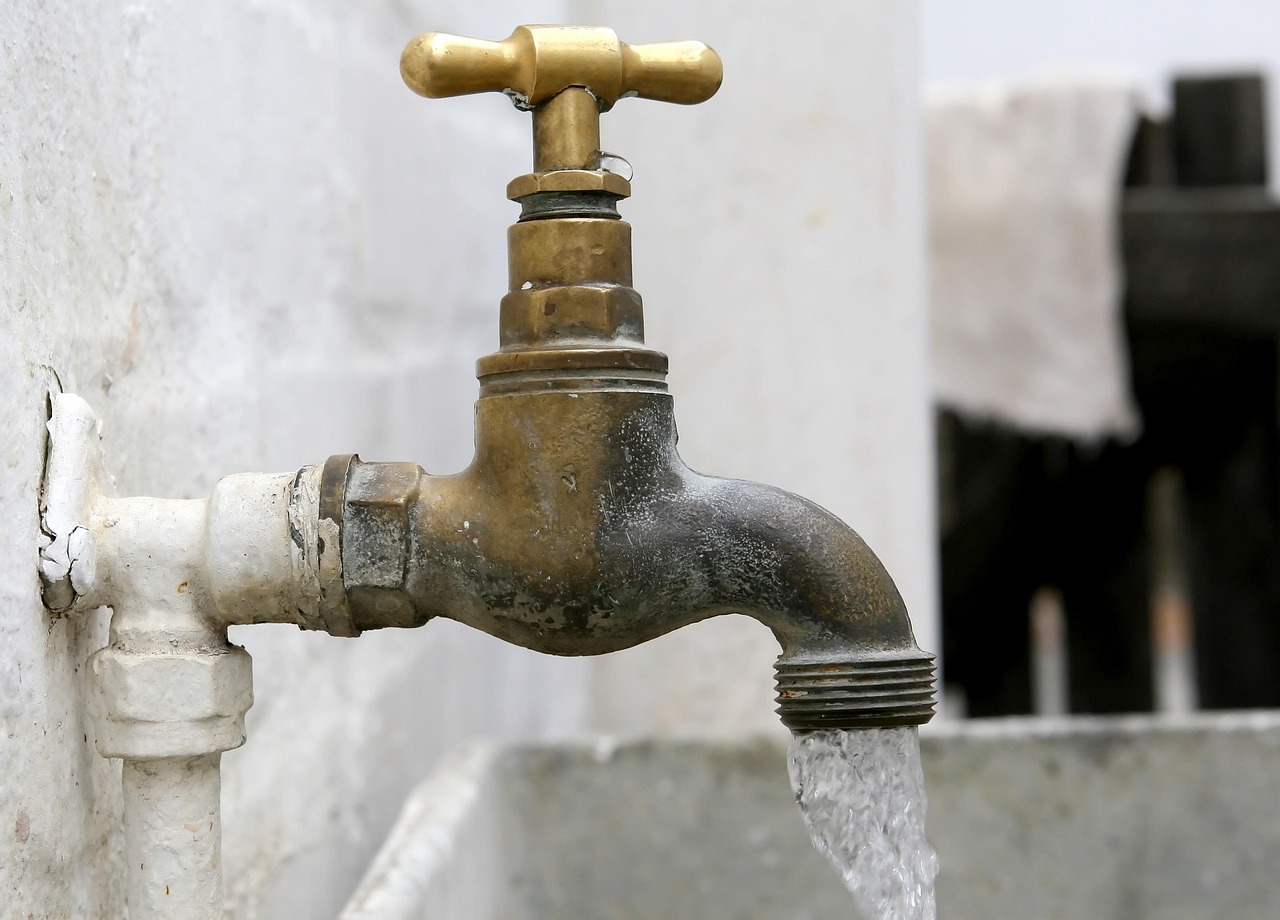
In the event of a sewage backup in your Tampa Bay home, proper water management practices can significantly mitigate the damage and prevent future incidents. This starts with understanding the root causes of sewage backups, which often stem from plumbing disasters like clogs, broken pipes, or faulty sump pumps. A common culprit is tree roots encroaching on sewer lines, a problem that can be avoided with regular, professional inspections.
To maintain a safe and healthy plumbing system, Tampa Bay homeowners should adopt proactive measures. This includes scheduling annual inspections with a licensed plumber, who can identify potential issues and provide solutions before they escalate. Install backflow prevention devices to stop contaminated water from flowing back into your supply. These devices are crucial for protecting your family from potential health hazards, as contaminated water can carry harmful bacteria and pathogens.
In the event of a sewage backup, it's vital to contact emergency services immediately. In Tampa Bay, the best sewage backup cleanup companies are equipped to handle such situations 24/7. Organizations like 1-800-Sewage Pro and Tampa Bay Emergency Services offer rapid response times and specialized equipment to contain and clean up the mess safely. Remember, time is of the essence to minimize damage to your property and prevent potential health risks. Always rely on trusted professionals who follow health department guidelines and use environmentally friendly cleaning methods.
To stay prepared, keep emergency contact numbers readily available, such as those for local emergency cleanup teams and your insurance provider. Regularly review your home insurance policy to understand coverage for sewage backup cleanup in Tampa Bay, as policies can vary. Some policies may require you to cover a portion of the cleanup costs, so understanding your coverage is essential. By implementing these safe water management practices, Tampa Bay homeowners can protect their investments and ensure a swift and effective response to any plumbing disaster.
When Backup Occurs: Immediate Steps for Tampa Bay Residents
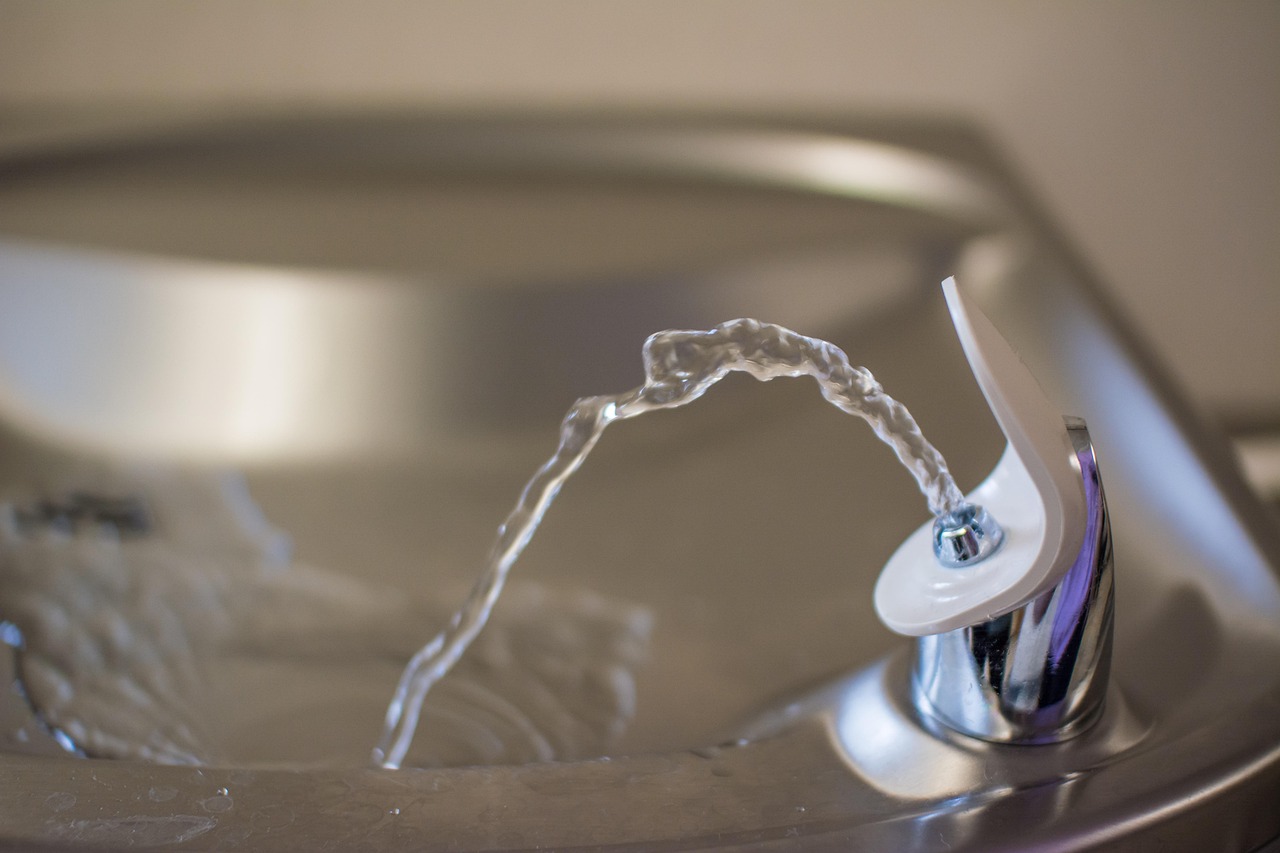
When a sewage backup occurs in a Tampa Bay home, immediate action is crucial. Homeowners should first ensure everyone's safety by evacuating the area and turning off the main water supply, if possible. Then, contact certified sewage backup cleanup specialists immediately.
Certified specialists follow strict protocols to mitigate health risks associated with sewage backups. They begin by containing the water and removing contaminated materials. They may use specialized equipment to vacuum out contaminated water and debris, minimizing further damage and the risk of disease transmission. Next, they thoroughly clean and disinfect the affected areas, using powerful disinfectants to kill any pathogens. This step is critical, as sewage can harbor harmful bacteria and parasites.
During the cleanup process, homeowners should expect open communication from their service provider. Regular updates on progress, along with recommendations for repairs or preventative measures, are essential. The local plumbers or home inspectors from Tampa Bay Water and Homesafe Plumbing can provide insights into identifying and fixing the root cause. By addressing the issue promptly and working with certified professionals, Tampa Bay residents can minimize the damage and restore their homes more efficiently.
Efficient Drain Cleaning: Professional vs. DIY Approaches in Tampa Bay

In the event of a sewage backup, immediate action is crucial, especially in the Tampa Bay area where efficient drainage systems are key. While some homeowners attempt DIY drain cleaning, professional services offer a more comprehensive and effective approach to preventing sewage backups in Tampa Bay homes. Understanding the difference between professional and DIY methods is essential for effective sewage backup cleanup near me Tampa Bay residents may require.
These experts start with a thorough inspection to identify the root cause of the backup. They then employ advanced techniques, such as high-pressure hydro jetting, to clear obstructions and clean drains. This method is especially effective for severe clogs caused by tree roots or grease buildup. A local plumber in Tampa Bay may use a camera to inspect the drain, confirming the issue before proceeding with the most suitable cleaning method.
In contrast, DIY drain cleaning solutions often involve using chemical drain cleaners or hand tools. While these methods may offer temporary relief, they don't always address the underlying issues. Incorrect use of chemicals can cause further damage to the drain system. To ensure the best long-term results, homeowners should consider the frequency and severity of backups. If backups occur frequently, it might be more economical to invest in regular professional maintenance. The average cost for professional sewage cleanup varies, but understanding your home insurance coverage is crucial. Many standard home insurance policies cover sewage backup cleanup: understanding the process Tampa Bay residents can file claims for eligible expenses. A local emergency cleanup team can provide a detailed estimate, ensuring you're aware of the costs before work begins.
Affordable sewage backup cleanup Tampa Bay services are available, with packages tailored to different budgets and needs. Regular prevention measures, combined with prompt professional assistance when needed, are the cornerstones of effective sewage backup management. By understanding the differences between professional and DIY approaches, Tampa Bay homeowners can make informed decisions, ensuring their homes remain free from the inconvenience and potential health hazards associated with sewage backups.
Post-Backup Restoration: Ensuring Complete Sewage Cleanup in Tampa Bay Homes
After a sewage backup, thorough cleanup and restoration are essential to prevent health risks and costly damage. These professionals not only remove visible contaminants but also decontaminate affected areas to mitigate potential health hazards.
The process begins with a thorough assessment to identify the source and extent of the backup. Once the problem is located, the experts employ specialized equipment to extract sewage and sanitize the affected spaces. This might involve high-pressure flushing, advanced vacuuming, and the use of powerful disinfectants. A local emergency cleanup team in Tampa Bay may use a combination of truck-mounted vacuum systems and bio-degradable cleaners to ensure all traces of sewage are eliminated.
Restoration goes beyond cleaning. It includes repairing or replacing damaged plumbing, drying out affected areas, and, in some cases, reinforcing homes to prevent future backups. Tampa Bay Water and local plumbers often collaborate on these projects, offering tailored solutions. Homeowners can aid in the process by documenting damage, keeping records of repairs, and being present during cleanup to ensure the work is done efficiently. Remember, a proactive approach to sewage backup prevention, combined with swift action from reputable Tampa Bay sewage cleanup experts, is key to minimizing the impact of such incidents.
Frequently Asked Questions About Expert Advice on Preventing Sewage Backups in Tampa Bay Homes
What causes sewage backups in Tampa Bay homes? Sewage backups are primarily caused by blockages in the plumbing system, which can be attributed to a variety of factors. Common culprits include foreign objects like food scraps, grease, or toys being flushed down the toilet; tree roots infiltrating pipes; broken or damaged pipes; and improper venting in the plumbing system. These issues can lead to water and waste backing up into homes, often resulting in unsanitary and costly damage.
How do I prevent sewage backups at home? Prevention is key. Regularly maintain your plumbing system by cleaning out drain traps (the curved pipes under sinks and drains) of grease and hair. Avoid flushing non-biodegradable items like diapers, wipes, or sanitary products. Have a professional inspect and clear tree roots from your drains and pipes annually. Ensure proper venting by checking for and sealing any vent pipe openings that might be blocked or damaged. Consider installing backflow prevention devices to stop contaminated water from flowing back into your clean water supply.
When should I call a professional for sewage backup issues? If you experience frequent or severe sewage backup issues, it's time to call a licensed plumber. They have the tools and expertise to identify the root cause, whether it's a simple clog or a complex plumbing issue. Prompt professional intervention can prevent further damage and ensure the safety of your home's water supply.
Can sewage backups lead to health hazards? Absolutely. Sewage contains harmful bacteria, viruses, and parasites that can cause serious health issues, including gastrointestinal infections, skin infections, and respiratory problems. The risk is heightened for young children, the elderly, and individuals with compromised immune systems. Preventing and addressing sewage backups is crucial for maintaining a safe living environment.
Are there any regulations or codes regarding sewage backup prevention? Yes, local building and health codes often mandate specific measures to prevent sewage backups. These may include requirements for backflow prevention devices, proper venting, and specific plumbing practices. It's essential to understand and comply with these codes to ensure your home's plumbing system is safe and up to standard.
What should I do if I have a sewage backup? Is there an immediate step I can take? Safety is paramount. Turn off your home's water supply at the main shut-off valve to prevent further water from entering. Do not use electric appliances or flush toilets until the backup is cleared. Next, contact a professional service for immediate assistance. They can help mitigate the damage, clean up the mess, and identify the cause to prevent future occurrences.
Preventing sewage backups in Tampa Bay homes involves a multi-faceted approach. By understanding the common causes and risk factors, implementing regular maintenance practices, and adopting safe water management techniques, residents can significantly reduce the likelihood of these costly and health-hazardous incidents. When backups occur, immediate action is crucial.
Post-backup restoration, as highlighted by the local emergency services like Tampa Bay Emergency Services and the Red Cross, is vital to mitigating health risks. Proper maintenance and quick response are key to minimizing damage and preventing long-term issues. Understanding the legal and insurance aspects, as discussed by the Florida Insurance Commission, can help homeowners prepare and manage the financial impact of sewage backup cleanup Tampa Bay FL incidents.
By following these expert guidelines, Tampa Bay residents can better protect their properties and families. Regular vigilance, proactive measures, and swift action will go a long way in avoiding the stressful and expensive consequences of sewage backups.
Sewage Backup Prevention and Cleanup in Tampa Bay:
- Causes: Age, plumbing, tree roots, heavy rainfall.
- Prevention: Regular inspections, maintain drainage, replace outdated pipes.
- Steps: Turn off water, evacuate, contain, clean, disinfect, repair.
- Experts: Use certified specialists, local plumbers, home inspectors.
- Resources: Emergency contact numbers, insurance coverage, affordable options.
- Action: Prompt action, regular maintenance, understand local conditions.