In the bustling city of Tampa Bay, FL, sudden sewage backups can disrupt homes and communities, causing extensive damage and health risks. The urgency of addressing these incidents efficiently is paramount, as timely cleanup and remediation are crucial to prevent mold growth, water damage, and potential contamination.
This checklist serves as a practical guide for homeowners and property managers navigating the complex process of sewage backup cleanup in Tampa Bay. We'll walk you through each step, from emergency response and coordinating with local health departments, to understanding insurance coverage and legal considerations, ultimately ensuring a safe, thorough, and stress-free recovery.
- Understanding the Urgency of Sewage Backup Cleanup
- Assessing the Damage: Tampa Bay's Special Considerations
- Personal Safety Measures: Protecting You and Your Team
- Containment and Isolation: Stopping the Spread
- Removing Contaminants: Effective Cleaning Techniques
- Restoring Safe Water Systems: A Step-by-Step Guide
- Legal and Insurance Implications: Navigating Regulations
- Preventative Measures: Future Protection for Tampa Bay Homes
Understanding the Urgency of Sewage Backup Cleanup

Sewage backup cleanup in Tampa Bay, FL is not a task to be delayed, as it poses significant health and safety risks. Prompt action is crucial to prevent the spread of harmful pathogens and minimize property damage. When a sewage backup occurs, time is of the essence. The longer it goes untreated, the greater the potential for severe consequences. Understanding the urgency is the first step towards effective sewage backup cleanup.
The process of sewage cleanup involves specialized equipment and trained professionals. They employ advanced technology to locate the source of the backup, extract the contaminated water, and sanitize the affected areas. This is particularly important because sewage can contain bacteria, viruses, and parasites that cause diseases, making professional intervention vital.
The Red Cross and Local Health Department emphasize the urgency of immediate cleanup to prevent health hazards. They recommend contacting a reputable sewage cleanup service near you, like SewagePro, within 24 to 48 hours of a backup. By doing so, you can mitigate the risk of infections and ensure your home or business is safe for occupants and visitors. Understanding the potential legal and insurance implications is crucial. Most home insurance policies cover sewage backup, but knowing your specific coverage and working with a licensed, insured provider can streamline the claims process.
Assessing the Damage: Tampa Bay's Special Considerations

When dealing with sewage backup in Tampa Bay, FL, assessing the damage requires a nuanced understanding of the local environment and regulatory landscape. The first step in effective sewage backup cleanup is identifying the source and extent of the contamination. In this coastal region, potential challenges include saltwater intrusion, which can complicate cleanup efforts and necessitate specialized treatments. Tampa Bay's diverse and often sensitive ecosystem demands that cleanup professionals adhere to strict environmental guidelines set by the Local Health Department.
They'll inspect the property for water sources, check for signs of biological hazards, and assess structural damage. A local emergency cleanup team might use advanced moisture meters to pinpoint water-damaged areas and determine the depth and extent of contamination. This detailed approach ensures that every aspect of the cleanup process is tailored to the specific needs of the Tampa Bay area.
Given the prevalence of home insurance policies that cover sewage backup, understanding the legal and financial considerations is crucial. The Florida Insurance Commission provides guidelines on what constitutes covered damage, and the average homeowner in Tampa Bay can expect a swift response from their insurance provider. However, it's important to work with licensed sewage cleanup professionals like 1-800-Sewage Pro, who are familiar with the legal and insurance aspects of the process. They can guide clients through the claims process and ensure that all necessary documentation is in order, minimizing the financial burden and legal complexities that often follow sewage backup incidents.
Personal Safety Measures: Protecting You and Your Team
Personal safety is paramount when addressing a sewage backup, especially in the context of a Tampa Bay, FL, emergency. When dealing with contaminated water, licensed sewage cleanup professionals in Tampa Bay follow strict protocols to ensure the well-being of their team and the public. This includes wearing protective gear, such as gloves, boots, and respirators, to shield against harmful bacteria, viruses, and other pathogens.
These professionals understand the unique risks posed by sewage, which can contain a wide range of pollutants, from toxic chemicals to harmful organisms. To mitigate these risks, they employ specialized equipment and techniques designed to contain, clean, and disinfect affected areas. Advanced suction and filtration systems are used to extract contaminated water, while powerful disinfectants are applied to ensure the area is safe for re-entry.
They will assess the situation, implement necessary safety measures, and provide a comprehensive cleanup and restoration plan. Many home insurance policies in Tampa Bay cover sewage backup incidents, but understanding your coverage and working with professionals who know the local regulations is key to a successful resolution.
Containment and Isolation: Stopping the Spread

In the aftermath of a sewage backup in Tampa Bay, FL, swift action is crucial to minimize damage and prevent further contamination. The first step in any sewage backup cleanup process is thorough sewage backup cleanup Tampa Bay FL containment and isolation. This involves stopping the flow of contaminated water and containing it to prevent it from spreading to unaffected areas.
There are several critical steps involved in effective containment:
- Immediate Water Shut-Off: The first step for any homeowner experiencing a sewage backup is to shut off the main water supply to prevent further influx of water. This can often be done by locating and closing the main shut-off valve near the water meter.
- This might involve blocking entry points, setting up barriers, and using specialized equipment to prevent cross-contamination.
- Professional Equipment: Specialized equipment like sump pumps, vacuum trucks, and dewatering systems are essential for effective containment. These tools are designed to remove standing water quickly and efficiently, minimizing drying time and mold growth.
Readying for sewage backup emergencies in Tampa Bay is just as important as responding to them. Homeowners can take proactive steps, such as:
- Regular Plumbing Maintenance: Regular inspections and maintenance by local plumbers, like Homesafe Plumbing, can identify potential issues before they become major backups.
- Protecting Against Flooding: Installing flood guards or check valves can prevent sewage from backing up into your home during heavy rainfall or flooding events.
- Knowing Your Home Insurance: Reviewing your home insurance policy to ensure it covers sewage backup damage is crucial. The Florida Insurance Commission provides resources on understanding coverage for these types of events.
Remember, when facing a sewage backup, it's essential to call on experienced sewage cleanup teams. Their specialized knowledge, equipment, and quick response can minimize damage, ensure proper sanitation, and restore your Tampa Bay home to its pre-backup condition as soon as possible.
Removing Contaminants: Effective Cleaning Techniques
For effective sewage backup cleanup in Tampa Bay, FL, removing contaminants is a critical step that often requires specialized techniques. In the aftermath of a sewage backup, homes and businesses in Tampa Bay face a unique set of challenges due to the potential presence of harmful bacteria, viruses, and other pathogens. The goal is not just to clean the visible mess but to sanitize and decontaminate the affected areas to prevent health risks.
One of the primary steps in the process is a thorough assessment of the damage. This includes identifying the source of the backup and evaluating the extent of contamination. Local emergency cleanup services in Tampa Bay, such as those offered by 24/7 Emergency Cleanup, play a vital role here. They employ trained professionals who can assess the situation, determine the type and level of contamination, and devise a tailored cleanup plan. If the backup originated from a broken pipe, the team might need to disinfect not just the visible water-damaged areas but also nearby surfaces and fixtures that could have come into contact with contaminated water.
The actual cleanup process involves several methods to ensure thorough decontamination. This might include using specialized equipment like high-pressure water extractors to remove contaminated materials and fluids. Once the visible mess is cleared, professional cleaners apply disinfectant solutions to kill any remaining pathogens. In severe cases, mold removal Tampa Bay services might be necessary, as mold can grow rapidly in damp conditions caused by sewage backups.
It's crucial to understand that proper cleanup should only be conducted by licensed and trained professionals. Attempting to handle sewage cleanup yourself can pose significant health risks. Understanding your insurance coverage for such incidents is essential. Most average home insurance policies in Florida do not cover raw sewage backup, so it's wise to consult with your insurer and consider specialized coverage. The cost of sewage cleanup and restoration can vary, but reputable services like SewagePro offer transparent pricing and same-day emergency services to minimize disruption.
Restoring Safe Water Systems: A Step-by-Step Guide
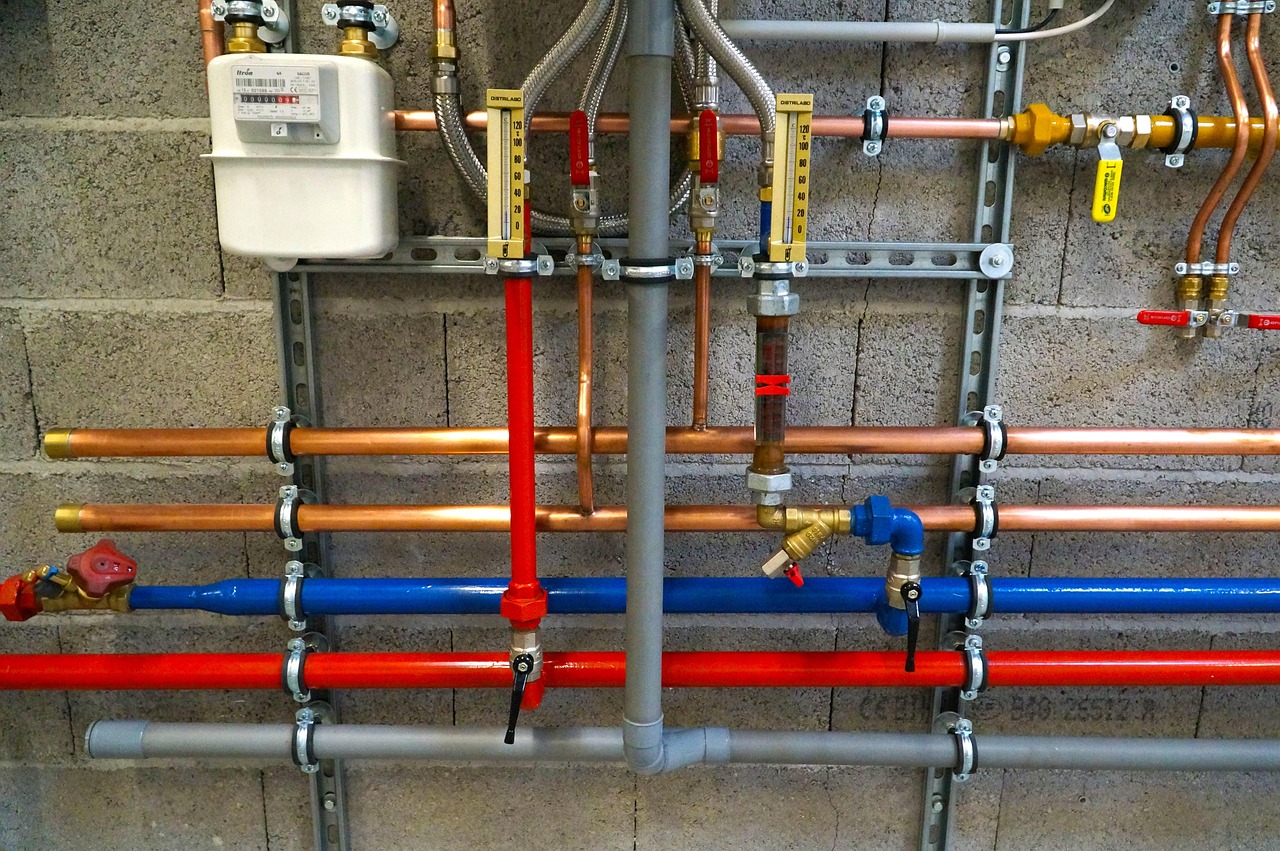
Restoring Safe Water Systems After a Plumbing Disaster: A Step-by-Step Guide for Cleanup Tampa Bay, FL
When faced with a sewage backup in Tampa Bay, FL, immediate action is crucial to prevent health hazards and costly damage. After the emergency response and cleanup, the next critical step is to restore your safe water systems. This process requires careful, systematic steps to ensure your home or business is thoroughly decontaminated and safe for occupancy. This guide outlines a step-by-step approach to restoring water systems following a sewage backup, emphasizing the importance of licensed sewage cleanup in Tampa Bay.
Step 1: Evacuate and Secure the Area
The first priority is to ensure everyone's safety. Evacuate the affected area and close all doors and windows to contain the contamination. If the backup involves raw sewage, wear protective gear recommended by local health departments, such as gloves, masks, and goggles. This step is essential to minimize exposure to harmful bacteria and pathogens.
Step 2: Contact Emergency Sewage Cleanup Services Tampa Bay
Don't attempt to handle severe plumbing disasters yourself. Always contact licensed sewage cleanup services Tampa Bay for professional assistance. These experts have the necessary equipment and training to assess and decontaminate the affected areas safely. They will also help identify and fix the source of the backup to prevent future occurrences.
Step 3: Complete Decontamination
Professional cleaners will use advanced methods and disinfectants to thoroughly decontaminate the affected areas. This process includes scrubbing surfaces, disinfecting floors, and cleaning personal belongings. Porous materials like carpeting and furniture may need to be thrown away if they cannot be effectively sanitized. The goal is to eliminate any trace of sewage contamination.
Step 4: Inspect and Repair Plumbing Systems
Once decontamination is complete, a licensed plumber should inspect your plumbing systems for any damage. They will identify and fix leaks, clogs, or other issues that caused the backup. This step is crucial to prevent future plumbing disasters and ensure the longevity of your water systems. Homesafe Plumbing, for example, offers comprehensive plumbing repair services in the Tampa Bay area, ensuring your systems are safe and efficient.
Step 5: Test Water Quality and Systems
Before restoring normal water usage, have your water tested by local health department officials. They will verify that the water is safe to drink and use. Test your water filtration systems to ensure they are functioning properly. Once both the water and systems pass inspection, you can safely resume normal activities, knowing your water supply is clean and safe.
Legal and Insurance Implications: Navigating Regulations
Navigating Legal and Insurance Implications After a Sewage Backup in Tampa Bay, FL
When facing a sewage backup in Tampa Bay, it's crucial to understand the legal and insurance implications that come with the cleanup process. Sewage backup cleanup Tampa Bay FL is not a DIY project; it requires professional intervention to ensure compliance with local regulations. The Florida Department of Health and Tampa Bay Emergency Services set stringent standards to protect public health and safety. These regulations cover everything from waste disposal to worker safety, emphasizing the need for licensed and insured professionals.
They employ technicians trained in navigating the legal landscape, ensuring your property meets health department guidelines. These services understand the requirement for proper waste containment and disposal, preventing environmental contamination. They also adhere to safety protocols, employing personal protective equipment (PPE) and following strict handling procedures.
Same-day emergency sewage cleanup Tampa services are designed to respond swiftly, often within hours of your call. This rapid response not only mitigates property damage but also minimizes the risk of mold growth and other health hazards. When choosing a service, verify their insurance coverage, including liability and workers' compensation. The Florida Insurance Commission requires specific coverage levels for businesses operating in the state. Some home insurance policies include coverage for sewage backup, but understanding your policy's specifics is vital. A SewagePro or a local plumber can assist in determining if your policy covers the damage and help you navigate the claims process.
Prevention is equally important. Regular maintenance by local plumbers and home inspectors can identify issues before they lead to severe backups. By understanding the legal and insurance aspects of sewage cleanup, Tampa Bay residents can ensure they're protected and in compliance. This proactive approach, coupled with reliable cleanup services, can make all the difference in a stressful situation.
Preventative Measures: Future Protection for Tampa Bay Homes
In the face of Tampa Bay's unpredictable weather and potential flooding, homeowners are increasingly turning to proactive measures to safeguard their properties against the devastating effects of sewage backup. While emergency response is crucial, proper preparation can minimize damage, reduce costs, and speed up recovery. This section examines the essential steps of sewage backup cleanup Tampa Bay FL: a practical guide for homeowners aiming to be ready for any future emergency.
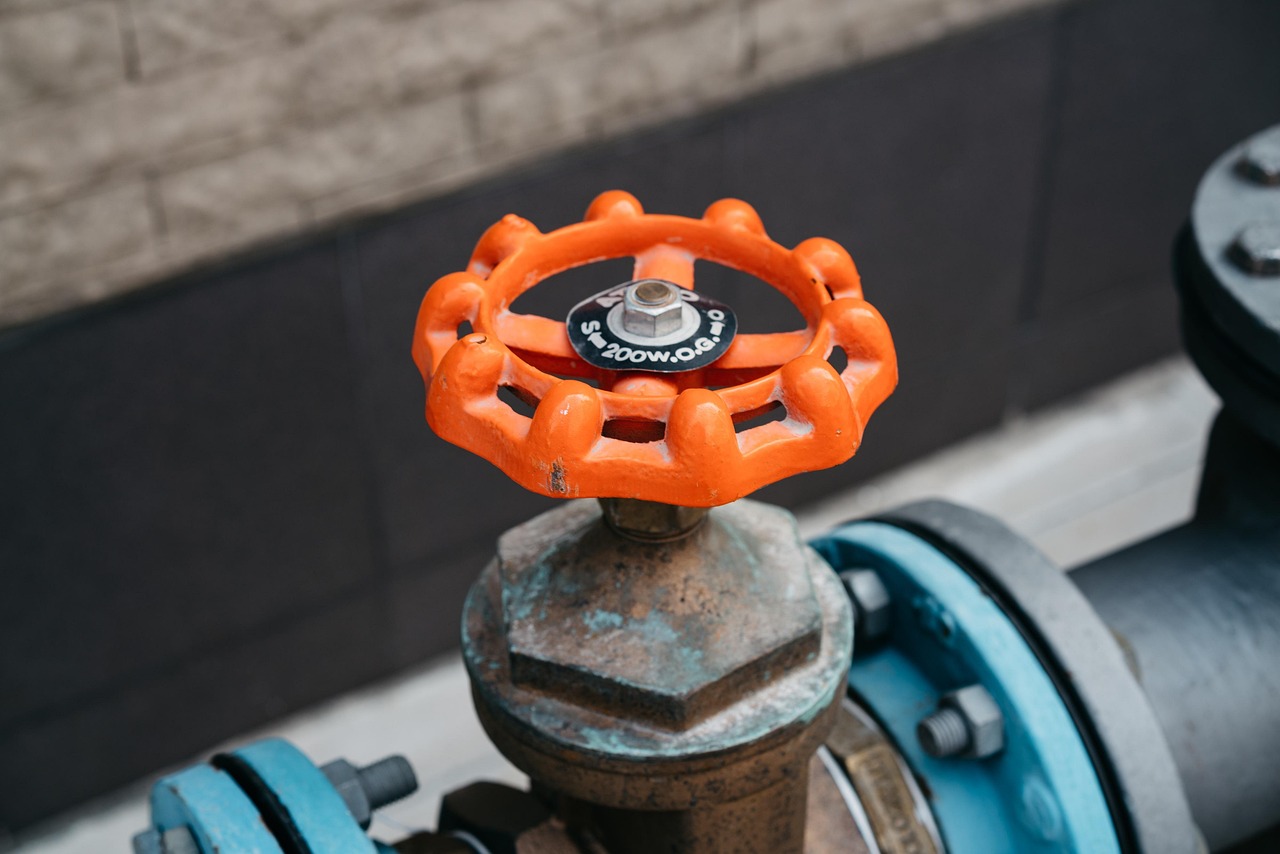
Understanding the sewage cleanup: a Tampa Bay homeowner's guide involves knowing when to act and whom to call. Regular maintenance, such as checking for leaks, ensuring proper drainage, and installing water shutoff valves, can prevent backups from happening in the first place. Homeowners should also consider investing in flood protection barriers and water pumps as additional safeguards. Homesafe Plumbing offers preventative services tailored to Tampa Bay's unique needs, focusing on long-term solutions.
Beyond individual efforts, community preparedness plays a vital role. Tampa Bay Water and the Local Health Department collaborate to educate residents on sewage backup risks and response strategies. These initiatives include public workshops, awareness campaigns, and the availability of readiness for sewage backup emergencies Tampa resources online. By embracing these proactive measures, Tampa Bay homeowners can better protect their investments and minimize the disruptions caused by sewage-related disasters.
The sewage cleanup: understanding the process Tampa during an emergency is just as critical as preparation. Once a backup occurs, immediate action is necessary. Contact a reputable emergency cleanup service like 1-800-Sewage Pro or the Local Emergency Cleanup Team. These professionals will assess the situation, contain the damage, and facilitate the safe removal of contaminated materials, ensuring your home is restored to its pre-backup condition while adhering to local health and safety codes. Remember, proper insurance coverage, especially flood insurance, is essential to mitigate financial burdens during the recovery process.
Frequently Asked Questions About The Ultimate Checklist for Sewage Backup Cleanup in Tampa Bay, FL
What is considered a sewage backup? A sewage backup occurs when sewage from a building's plumbing system flows back into the building or into the public sewer system. This can happen due to clogs, broken pipes, or issues with the municipal sewer system. A backup is a serious issue as it can cause damage to property, health hazards, and potential environmental contamination.
When should I call a professional for sewage backup cleanup? Sewage backup cleanup requires specialized equipment and knowledge to ensure the safe removal of contaminated materials and the prevention of further damage. If the backup is extensive, involves raw sewage, or if you're unsure about the scope of the problem, immediately contact a professional. They have the expertise and resources to handle the situation effectively and safely.
How do I prevent sewage backups? Regular maintenance is key to preventing sewage backups. This includes: cleaning or replacing drain traps, using drain covers, avoiding pouring grease or large solids down the drain, and scheduling regular inspections by a plumber. Understanding your property's sewerage system and being aware of potential vulnerabilities can help prevent future backups.
What steps should I take after a sewage backup? First, turn off the water supply to prevent further contamination. Then, evacuate the area and contact a professional cleanup service. Do not attempt to clean up raw sewage yourself, as it poses significant health risks. Once the professionals have contained and cleaned up the backup, repair any damage, and consider having your plumbing system inspected to identify and address the root cause.
Are there health risks associated with sewage backup? Absolutely. Raw sewage contains harmful bacteria, viruses, and parasites that can cause serious illnesses. Exposure through contact, inhalation, or ingestion can lead to conditions like gastroenteritis, hepatitis A, and typhoid. Professional cleanup services follow strict protocols to minimize these risks, ensuring the safety of residents and workers.
How quickly should I address a sewage backup? Time is of the essence in sewage backup situations. The longer the backup goes untreated, the more extensive the damage can become. Aim to contact a professional as soon as possible, ideally within an hour of discovering the backup. This swift action can help limit property damage and minimize health hazards.
What is the typical cleanup process for a sewage backup? The cleanup process involves several steps: containing the backup, removing contaminated materials, sanitizing the affected area, and repairing any damaged pipes or fixtures. Professionals use specialized equipment, such as high-pressure water cleaners and air movers, to effectively remove sewage and its associated odors. The area is then thoroughly dried and disinfected to prevent mold growth and ensure a safe environment.
In the face of a sewage backup, the residents of Tampa Bay, FL, now have a practical guide to navigate this challenging situation. By understanding the urgency, assessing unique local factors, and following proven safety and cleanup protocols, property owners can mitigate damage and ensure a swift recovery. This checklist equips homeowners and professionals alike with the knowledge to contain, clean, and restore their properties effectively. It highlights the importance of personal protection, legal compliance, and insurance coverage, providing a solid foundation for a successful sewage backup cleanup in Tampa Bay, FL.
The next steps are clear: prioritize safety, engage reliable professionals, and follow the outlined steps for containment, cleaning, and restoration. By doing so, Tampa Bay residents can protect their homes, communities, and health during these emergencies.
Sewage Backup Cleanup Tampa Bay FL: A Practical guide
Prompt action is crucial after a sewage backup in Tampa Bay, FL, to prevent health risks and minimize damage. Understanding legal and insurance implications, including home insurance coverage, is essential. Proper cleanup involves assessing water sources, biological hazards, and structural damage, adhering to local health guidelines, and employing advanced technology. Regular maintenance and community preparedness can prevent backups and speed recovery.